Chia de Gracia EN
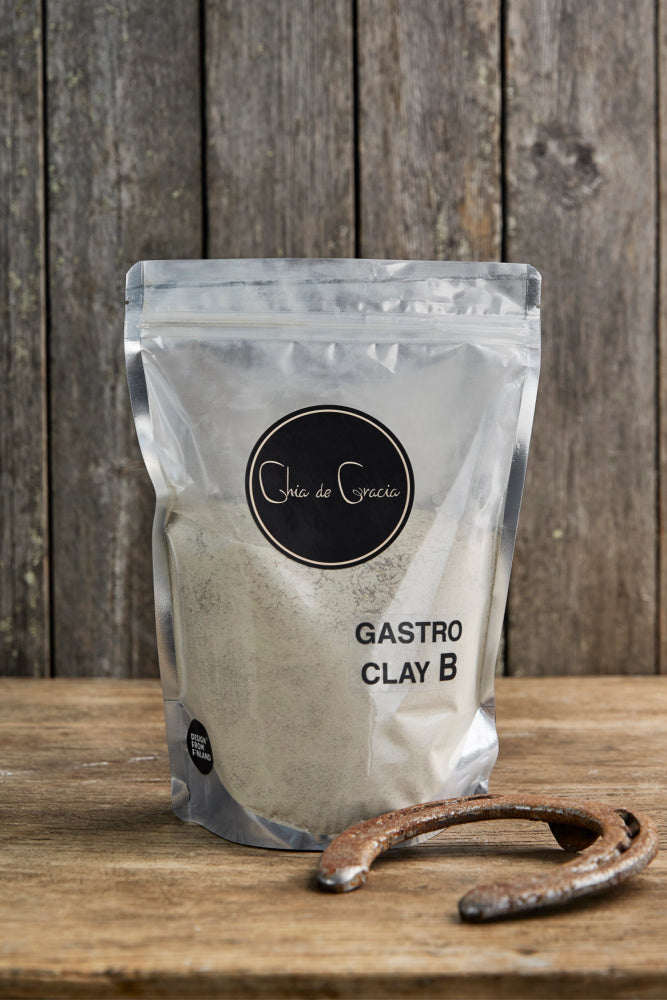
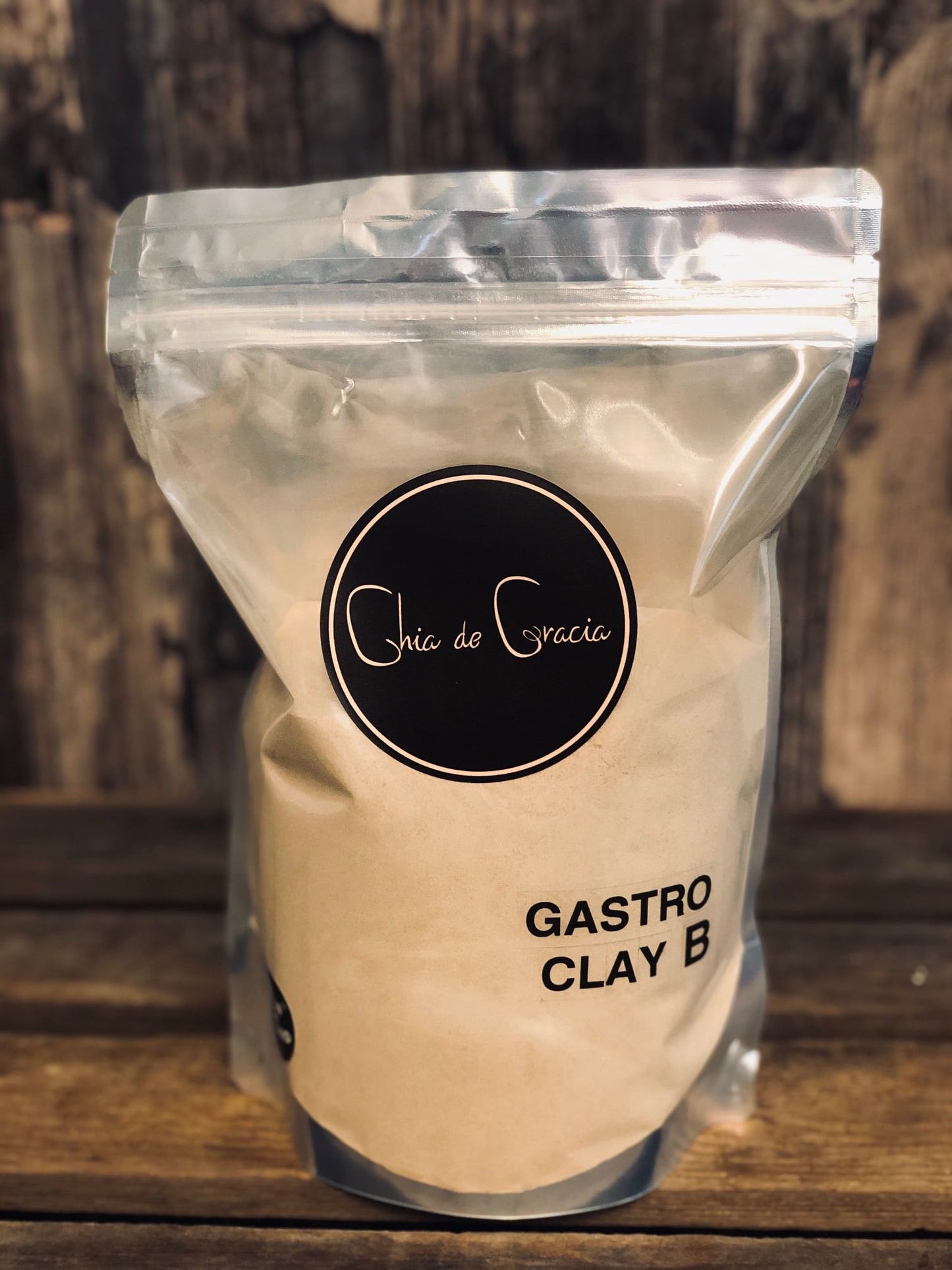
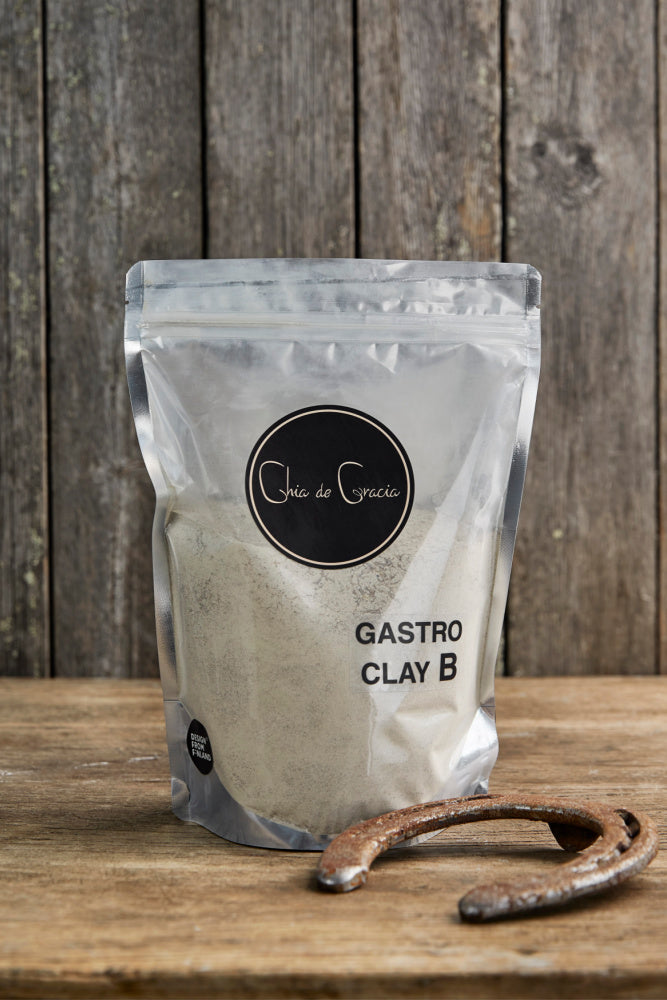
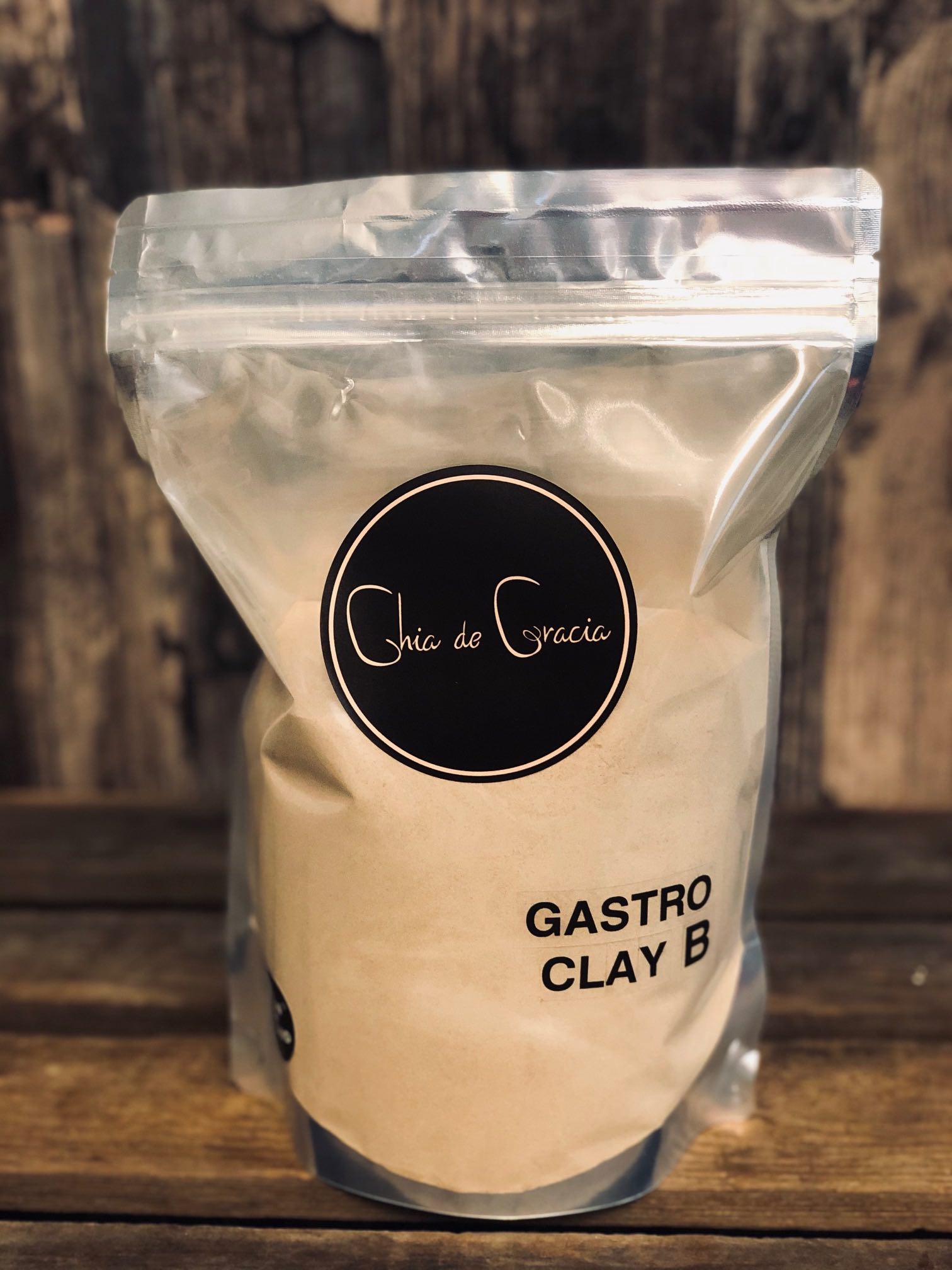
Gastro Clay B
Delivery time 5-7 days
Couldn't load pickup availability
Gastro Clay B – fibre- and yeast-based complementary feed for balanced stomach feeding
NEW RECIPE – a more carefully considered formula!
Chia de Gracia's Gastro Clay B is a fibre- and yeast-based complementary feed that provides prebiotic fibres, yeasts and sources of B vitamins as part of a balanced diet.
The product is designed for use in situations where particular attention is needed regarding the horse's overall diet – for example during everyday stress, dietary changes, changing weather conditions or irregular feeding schedules.
Why Gastro Clay B
Gastro Clay B combines three key areas:
- yeasts
- prebiotic fibres
- natural sources of B vitamins
Together, these form a balanced and practical addition to the diet.
Yeasts and approved additive base
The product contains live yeast Saccharomyces cerevisiae CNCM I-1077, which is approved in the EU for stabilisation of intestinal flora in horses.
The use of yeasts in horse feeding has been examined in numerous studies, where their role has been described particularly in connection with fibre utilisation and gut microbial activity.
In addition, the product contains brewer's yeast, which serves as a natural source of B vitamins and amino acids.
Prebiotic fibres – including inulin
Gastro Clay B is rich in fibres, of which a key one is inulin.
Inulin has been studied in horse feeding particularly for its role as a nutrient for gut microbes. It passes through the small intestine and is fermented in the large intestine as part of the horse's normal digestion.
The role of fibres in horse feeding has been widely described in nutritional research examining their significance as part of the overall diet and digestion.
Bentonite
Bentonite clay (1m558i) is a natural mineral with a high pH (approximately 8,5).
It is used in feeding as part of various fibre- and mineral-based blends.
Chia de Gracia's Gastro Clay B contains: brewer's yeast 40 %, bentonite clay 32 %, inulin 25 %, Saccharomyces cerevisiae CNCM I-1077 and a pinch of love 🧡
Use
Suitable for horses and dogs.
Dosage
Horse (500 kg):
30–40 g / day
Dogs:
1/3 tsp – 1,5 tsp / day
1 tbsp ≈ 10 g
Additives
Saccharomyces cerevisiae CNCM I-1077
1,0 × 10¹¹ CFU/kg
(for stabilisation of intestinal flora)
Average nutritional values
Energy 8 MJ/kg
Crude protein 16 %, Crude fat 1,2 %, Crude fibre 22 %, Ash 36 %, Moisture 6 %
Background information and studies
The use of yeasts in horse feeding has been studied particularly from the perspective of gut microbial activity and fibre fermentation.
The role of inulin has been examined in studies describing its significance as a nutrient for gut microbes and as part of the horse's normal digestion.
These studies describe above all the connection between fibres, yeasts and microbial activity – phenomena that are part of the normal function of the horse's digestion.
References:
Yeasts (Saccharomyces cerevisiae CNCM I-1077)
Carter, M.M. et al. (2025)
Influence of Saccharomyces cerevisiae CNCM I-1077 on fecal pH, microbiota and digestibility in horses.
Journal of Animal Science.
→ The study observed changes in gut microbial composition and faecal pH as well as differences in weight development in horses receiving yeast
Jouany, J.P. et al. (2008)
Effect of live yeast culture supplementation on digestibility in horses.
Journal of Animal Science.
→ Yeast supplementation was associated with changes in fibre digestibility and intake
Faubladier, C. et al. (2013)
Effect of transportation on fecal bacterial communities in horses: impact of Saccharomyces cerevisiae CNCM I-1077.
Journal of Animal Science.
→ The use of yeast has also been examined in stress situations from the perspective of gut microbiota
Prebiotic fibres (inulin, fructo-oligosaccharides)
Garber, A. et al. (2020)
Factors influencing equine gut microbiota.
→ The role of prebiotic fibres has been examined in connection with gut microbiota composition and fermentation
In vitro studies (e.g. fructo-oligosaccharides and inulin)
→ Show that these fibres are fermented in the horse's large intestine and participate in microbial activity
General digestion and microbiota
Boucher, L. et al. (2024)
Current understanding of equine gut microbiota.
Animals.
→ The role of gut microbiota in the horse's digestion is central, and is influenced by factors such as diet, fibre and microbes
Share