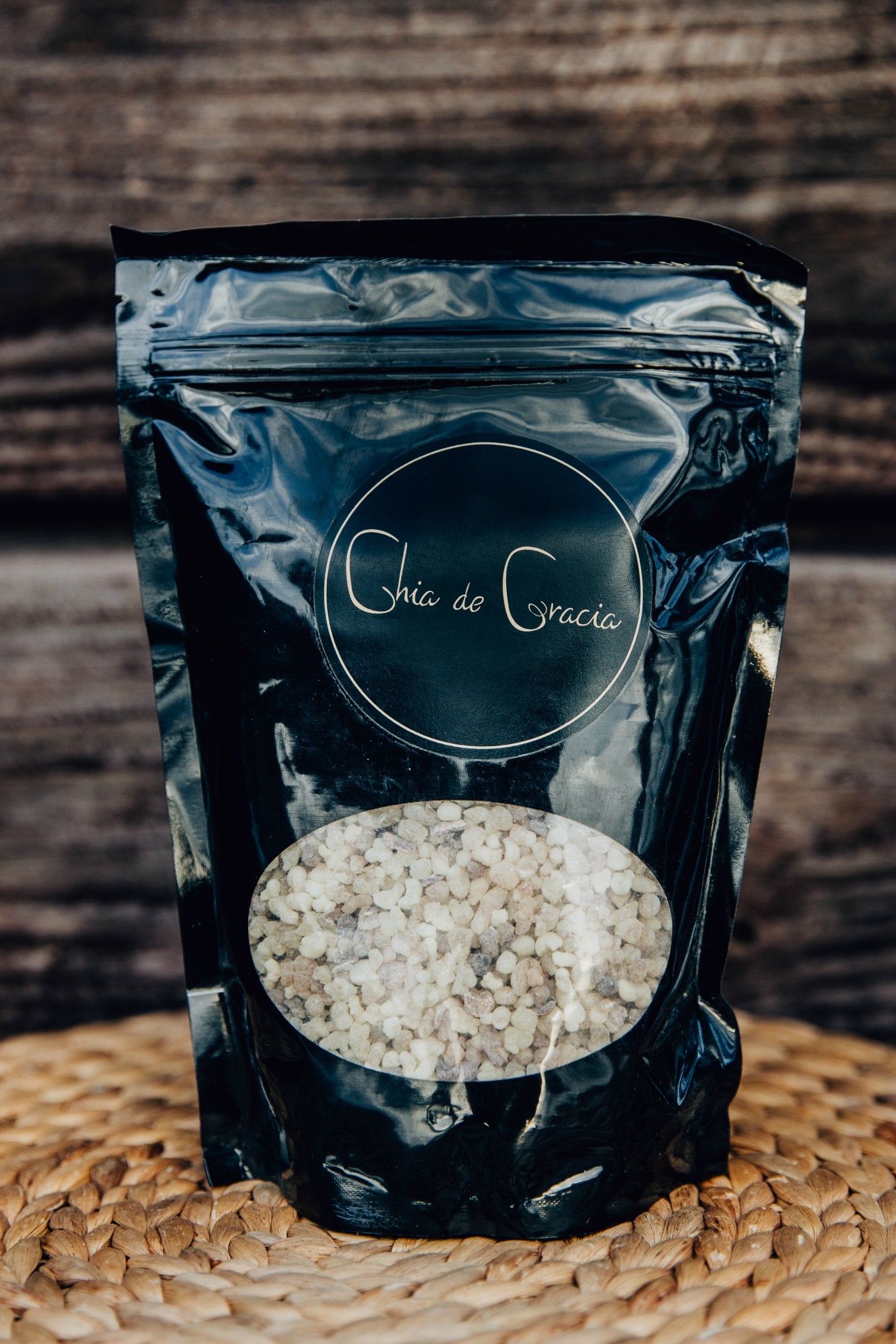
Chia de Gracia
Boswellia Serrata
Delivery time 5-7 days
Couldn't load pickup availability
Boswellia Serrata for horses and dogs
Boswellia serrata – the best friend for your horse's and dog's joints!
When movement is part of everyday life
When daily life involves movement, training, or age-related changes in mobility, simple and effective solutions are often sought for the diet.
Boswellia is one of the most widely used plant-based raw materials for exactly these situations.
It has established its place in horse and dog feeding, especially when joints are in daily use.
Product introduction
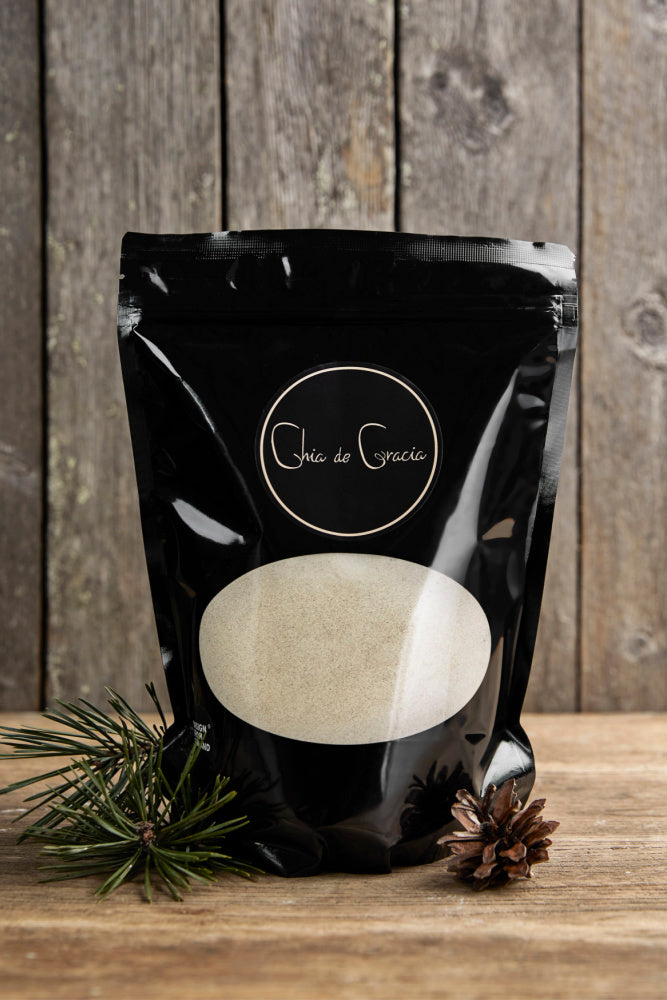
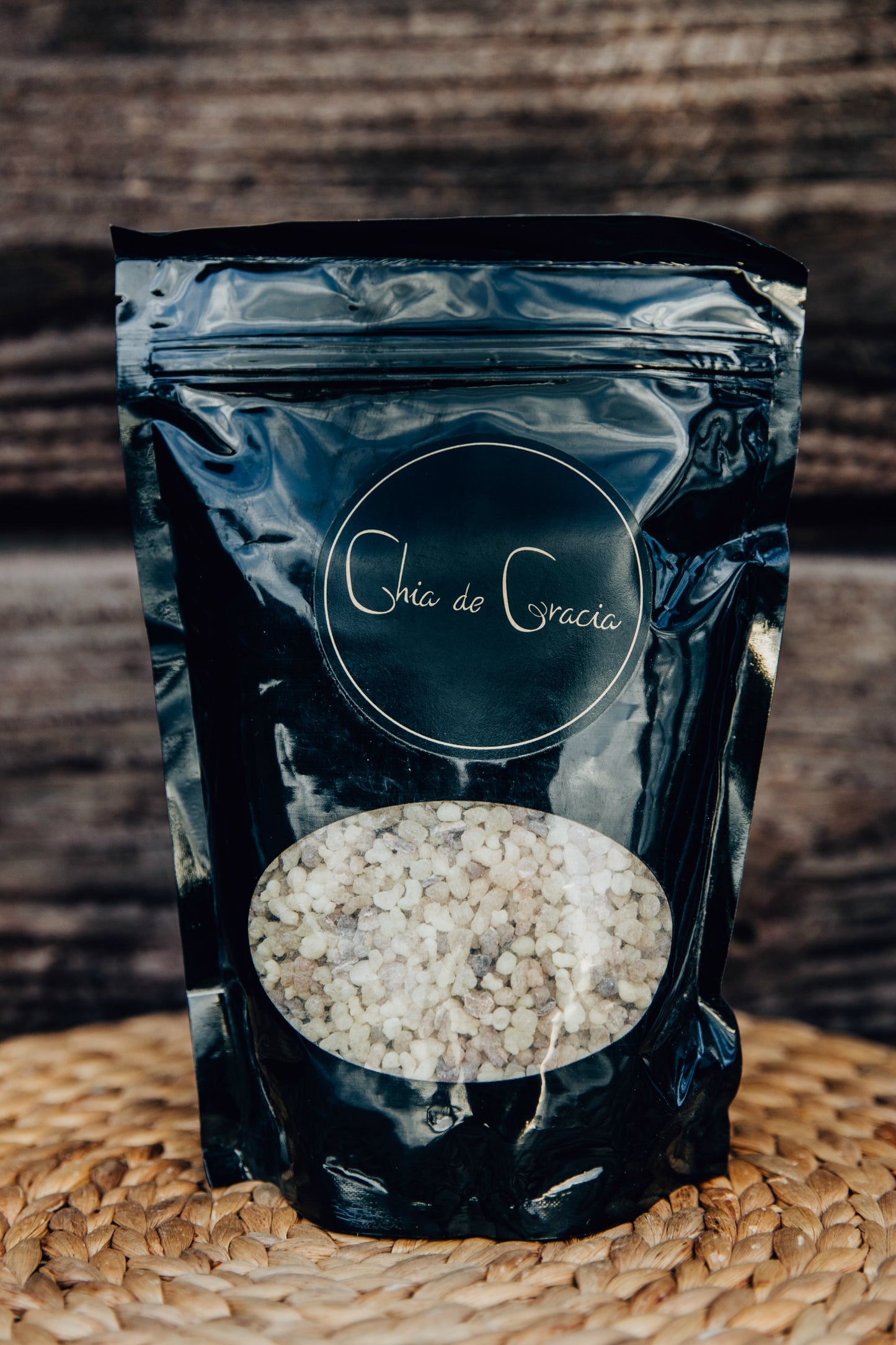
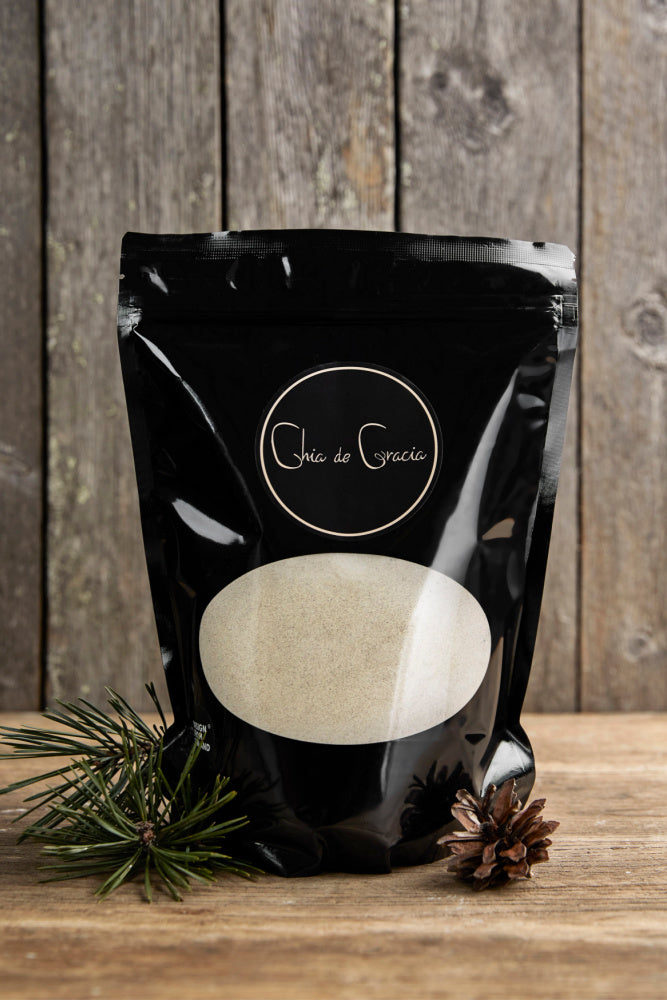
CdG Boswellia contains resin obtained from the Boswellia serrata tree. Boswellia originates from India, where the resin from the tree has long been used as part of traditional practices. The same resin serves in today's feeding as a plant-based raw material.
Raw material in feeding
Boswellia
Boswellia serrata resin contains various boswellic acids, which are the active and bioactive ingredients of boswellia. In practice, boswellic acids are precisely the part of the plant for which boswellia is used in feeding.
Resin is the tree's natural protective surface, and the compounds found in it are part of the plant's own structure. This is precisely what makes boswellia an interesting raw material, especially in situations when you want to add plant-based alternatives to the diet alongside everyday physical demands.
Nutritional perspective
Movement, work, and age put strain on joints – this is a normal part of everyday life for both horses and dogs.
This is addressed in feeding as a whole, combining basic feed, fatty acids, minerals, and plant-based raw materials.
Boswellia is often used:
– for actively moving horses and dogs
– when training or physical demands increase
– for older animals
Boswellia has been examined in studies particularly in situations where movement and joint loading play a central role.
This is one of the reasons why boswellia has become an established part of horse and dog feeding, specifically in the context of everyday physical demands.
Boswellia is also well suited for animals with sensitive stomachs.
It is easy to mix into the regular feed and is suitable for use as a course or as part of continuous feeding.
Absorption and combining in the diet
The absorption of boswellic acids has been examined in studies, and in practice boswellia is often given together with fat-containing feed.
It can be combined with, for example, oils, chia, or other fat-containing raw materials as part of the overall diet.
Dosage
CRYSTAL (1 tbsp = 8 g)
Horse 500 kg: 1–4 tbsp / day
Ponies: 1–2 tbsp / day
Dog: 1/3 – 1,5 tsp / day
POWDER (1 tbsp = 15 g)
Horse 500 kg: 1–2 tbsp / day
Ponies: 0,5–1 tbsp / day
Dog: 1/3 tsp – 1 tsp / day
Start with a small dose and increase if needed. Do not exceed the maximum dosage.
Instructions for use and notes
Use a smaller dosage for horses prone to intestinal blockage.
Not recommended for breeding animals, pregnant or lactating mares.
Not recommended for use alongside medication courses.
Studies and references
The Boswellia serrata plant and its compounds have been examined in numerous studies, particularly in contexts related to movement, joint loading, and the role of plant-based compounds.
- Beghelli, D. & Angeloni, C. (2018). Effects of Boswellia serrata supplementation on ex vivo immune responses in horses.
- Comblain, F. et al. (2016). Dietary support with Boswellia resin in canine joint and spinal contexts.
- Moreau, M. et al. (2003). Clinical evaluation of nutraceuticals in dogs.
- Kimmatkar, N. et al. (2003). Efficacy and tolerability of Boswellia serrata extract in joint-related contexts.
- Sengupta, K. et al. (2008). Boswellia extract and joint function.
- Ammon, H.P.T. (2016). Boswellic acids and biological mechanisms.
The majority of studies have been conducted on laboratory animals and humans and cannot be directly generalised to dogs.
Share