
Chia de Gracia EN
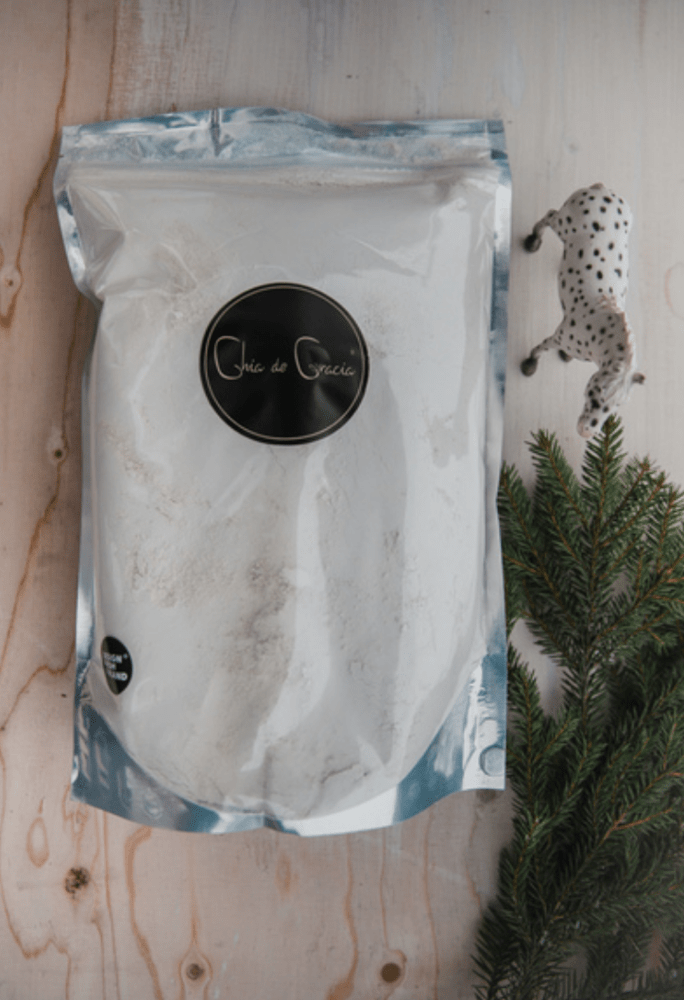
Diatomaceous Earth 500 g for Dogs
Delivery time 5-7 days
Couldn't load pickup availability
Diatomaceous Earth for Dogs
Diatomaceous earth is a natural source of silicon. Silicon is a trace element found in the body as part of tissue structures and supporting structures, and it is considered in nutrition particularly through its connections to collagen and mineral metabolism.
Chia de Gracia diatomaceous earth consists of fossilised single-celled micro-organisms whose cell walls have accumulated a high concentration of silicon over time. The raw material is of freshwater origin and naturally contains a high concentration of silicon.
Silicon as Part of the Dog's Tissue Structures
Silicon is found in the body in tissues that require structural strength and flexibility. In research literature, silicon has been described as part of collagen-containing tissues, such as connective tissues and other supporting structures. Collagen is the most common structural protein in the body and a key component of the structure of many tissues.
The nutritional significance of silicon is considered as part of a whole, taking into account the interplay of multiple nutrients and trace elements, rather than the isolated effect of a single substance.
When Is Diatomaceous Earth Used in Dog Feeding?
Diatomaceous earth is used in dog feeding particularly when you want to take tissue structures into account as part of a balanced and considered diet. It is often chosen for the diet in situations where attention is paid to:
-
keratin-containing structures, such as nails, coat, and skin surface structures
-
coat and fur, which are continuously renewing and dependent on nutrition
-
the dog's supporting tissues and connective tissues
-
the overall diet of the ageing dog
-
varied trace element intake as part of the daily diet
The use of diatomaceous earth is based on the nutritional background of silicon, the natural composition of the raw material, and long-standing feeding experience in animal nutrition.
Diatomaceous Earth as Part of the Diet
Diatomaceous earth is a fine, mineral-based raw material that is not a digestible nutrient. It passes through the digestive tract unchanged. Diatomaceous earth is suitable for use as part of the daily diet or as a course.
Dosage:
Dogs:
-
Small dogs: ¼ tsp / day
-
Medium-sized dogs: ½ tsp / day
-
Large dogs: 1 tsp / day
-
1 tsp ≈ 4 g
Mix into moistened food.
Always start with a small dose and increase the amount gradually.
Other Uses
Diatomaceous earth is also suitable for external use. It can be used, for example, for odour control in dogs' resting areas or surroundings.
Origin of the Raw Material
Chia de Gracia diatomaceous earth originates from a freshwater environment. Freshwater diatomaceous earth is traditionally considered a purer raw material compared to saltwater diatomaceous earth.
Nutritional composition; Silicon 94,2 Calcium 0,3 %, Sodium 1,0 % Phosphorus 0 %
Background Information:
-
Lang K.J., Nielsen B.D., Waite K.L., Hill G.M., Orth M.W. (2001).
Supplemental silicon increases plasma and milk silicon concentrations in horses.
Journal of Animal Science 79(10):2627–2633.
The study found that silicon-containing supplementation increased silicon concentrations in plasma and milk in lactating mares and foals above previously observed levels. -
O'Connor C.I., Nielsen B.D., Woodward A.D., Spooner H.S., Ventura B.A., Turner K.K. (2008).
Mineral balance in horses fed two supplemental silicon sources.
Journal of Animal Physiology and Animal Nutrition 92(2):173–181.
This dual study examined the effects of different silicon sources on mineral and silicon metabolism in horses and demonstrated that different silica sources can alter silicon absorption and retention. -
Beynen A.C. (2021).
Silicon in petfood.
The article discusses the occurrence of silicon in dog foods, its forms, and absorption of different silicate forms in dogs and cats. Silicon has been analysed in dry dog food concentrations and its absorption properties have been evaluated.
Share