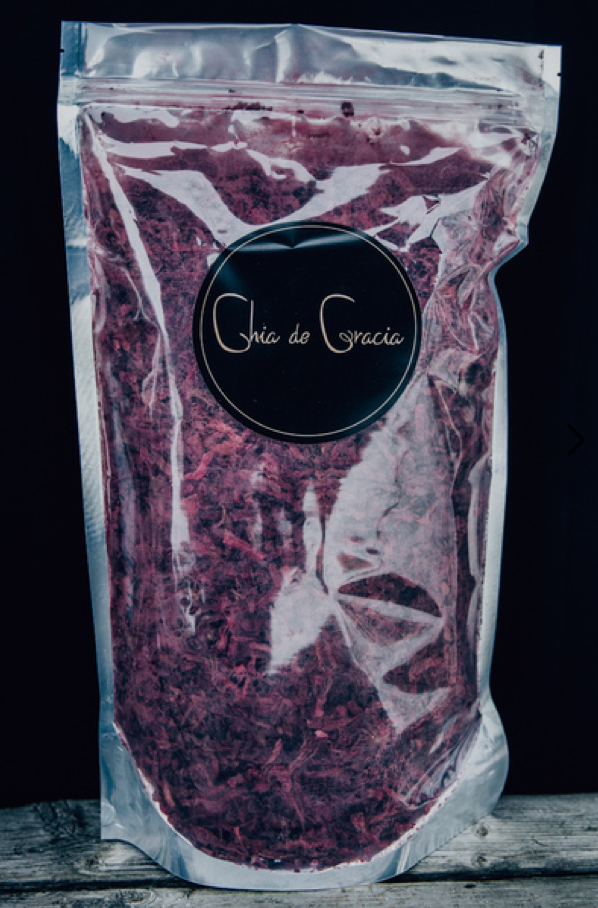

Chia de Gracia
Beetroot flakes 1 kg
Delivery time 5-7 days
Couldn't load pickup availability
Beetroot – a nutritious and palatable addition to the horse's diet
Beetroot is a naturally sweet and generally very palatable plant-based feed ingredient that complements the horse's diet with fibre, plant-based carbohydrates, and natural minerals and vitamins. Its appealingly sweet taste makes it a popular ingredient for many horses, especially when the aim is to improve the palatability of the diet.
Beetroot is a naturally sweet, wholesome plant-based addition to the horse's diet. It complements the diet with fibre, plant-based carbohydrates, and natural minerals and vitamins. The natural sweetness of beetroot makes it a commonly used ingredient, especially when the aim is to increase the appeal of the diet.
Nutritional overview
The nutritional value of beetroot is based on the combined effect of fibre, carbohydrates and minerals as part of the daily nutrition.
Beetroot is rich in fibre (approx. 12%), some of which is water-soluble fibre. Fibre is an important part of the horse's normal digestion and it serves as a nutrient source for the gut microbiota. Water-soluble fibre binds water and, when mixed into moist feed, forms a soft and even texture. An adequate amount of fibre is a key part of optimal feeding and it influences, among other things, the formation and consistency of faeces.
The carbohydrates in beetroot are present together with fibre, which affects how the feed mass behaves in the digestive tract. Fibre slows the absorption of carbohydrates and energy is released more evenly.
Minerals and vitamins
Beetroot contains a wide range of natural minerals, such as potassium, magnesium, calcium, phosphorus, iron, copper, zinc and selenium.
– Potassium contributes to the normal function of muscles and the nervous system as well as fluid balance
– Magnesium and calcium are part of the normal function of muscles, the nervous system and the skeleton
– Iron, copper and selenium are part of the body's normal mineral maintenance
Beetroot also contains B-group vitamins and folate (B9). B vitamins participate in energy metabolism and folate is part of normal cell renewal through the diet.
In addition, beetroot contains vitamin C and plant pigments, such as betacyanins and beta-carotene.
Natural compounds of the plant
Beetroot naturally contains nitrates, which are compounds naturally found in plants and part of the nutritional content of beetroot.
The use of beetroot may colour the horse's urine pinkish or reddish, which is completely harmless and caused by the natural pigments of the plant.
Use in feeding
Beetroot is suitable as part of the daily diet or during dietary changes when the aim is to add plant-based fibre, palatability and nutrients to the diet. It is also suitable for dogs in small amounts as part of a balanced diet. The natural sweetness of beetroot makes it a favoured addition to the diet for many horses, but taste preferences may vary between individuals.
Dosage:
Horse (approx. 500 kg):
0,5–1 dl / day
Dogs:
approx. 5 g / 10 kg body weight / day
Preparation and usage instructions
It is recommended to soak the beetroot in warm water for a period of time before use. Soaking softens the texture and brings out the natural sweetness of the beetroot.
Analytical composition (dried beetroot, average / 100 g)
Crude protein: 12%, Crude fat: 0,8%, Crude fibre: approx. 12–15%, Ash: approx. 6–8%, Moisture: approx. 8–10%
Additional nutritional information:
Energy: approx. 1536 kJ / 365 kcal, Carbohydrates (calculated): approx. 50–60%, NDF fibre: approx. 20%
Minerals and vitamins (naturally, average / 100 g)
Potassium 3200 mg, magnesium 200 mg, calcium 140 mg, phosphorus 350 mg, sodium 400 mg, iron 9 mg, zinc 5 mg, selenium 0,4 µg, iodine 10 µg.
Vitamins: vitamin C 30 mg, vitamin A 6 µg, vitamin E <0,1 mg, vitamin K 3 µg, vitamin B1 0,3 mg, vitamin B2 0,05 mg, niacin 0,2 mg, folate 1500 µg.
Values are indicative and vary between raw material batches.
Share