Chia de Gracia
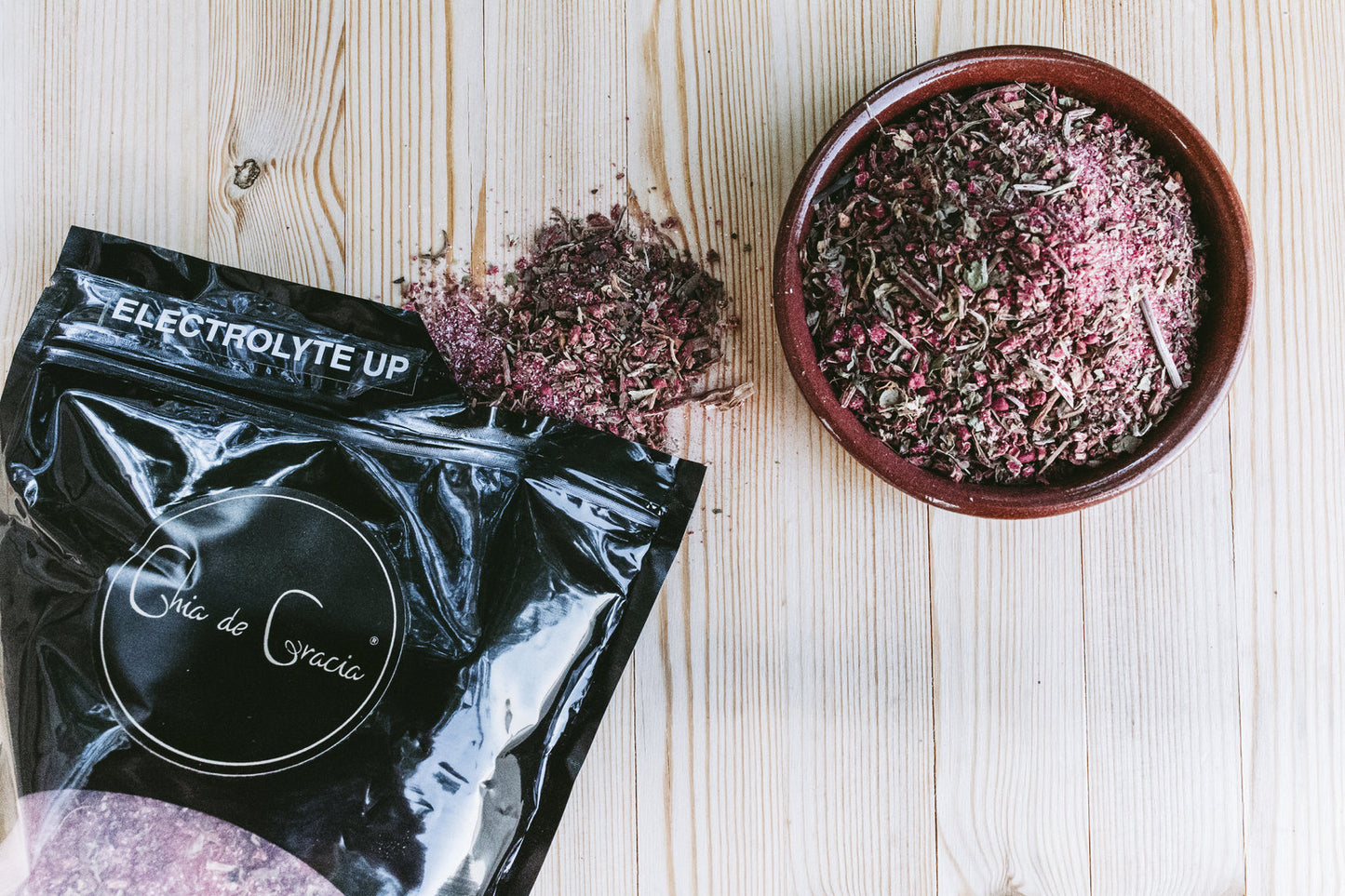
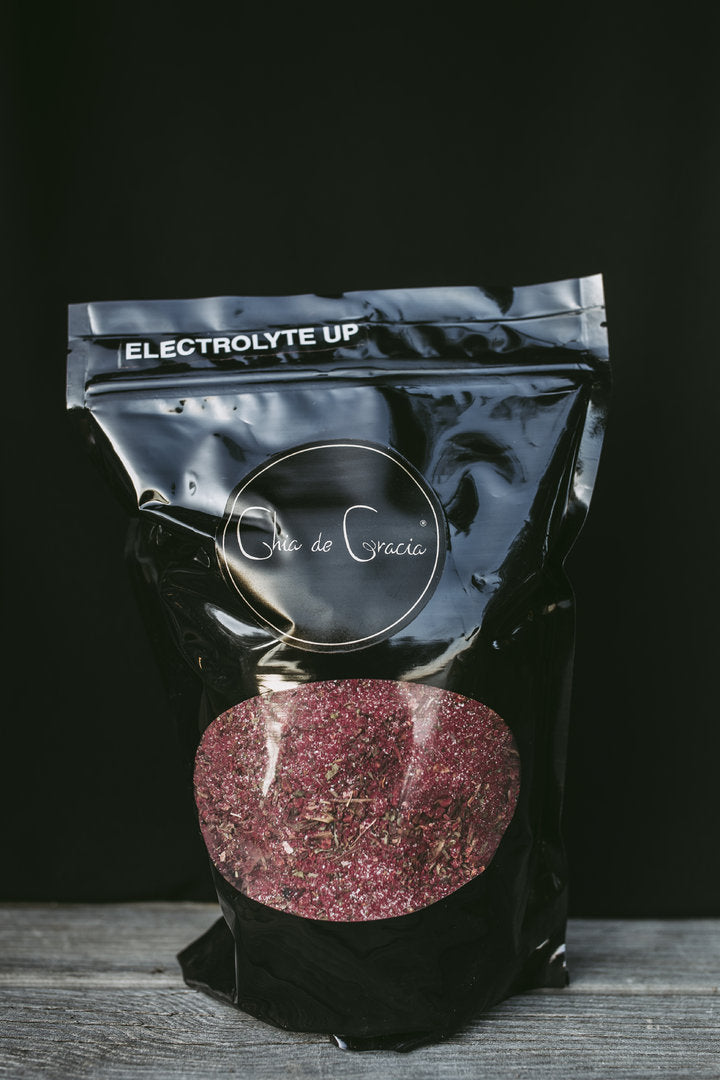
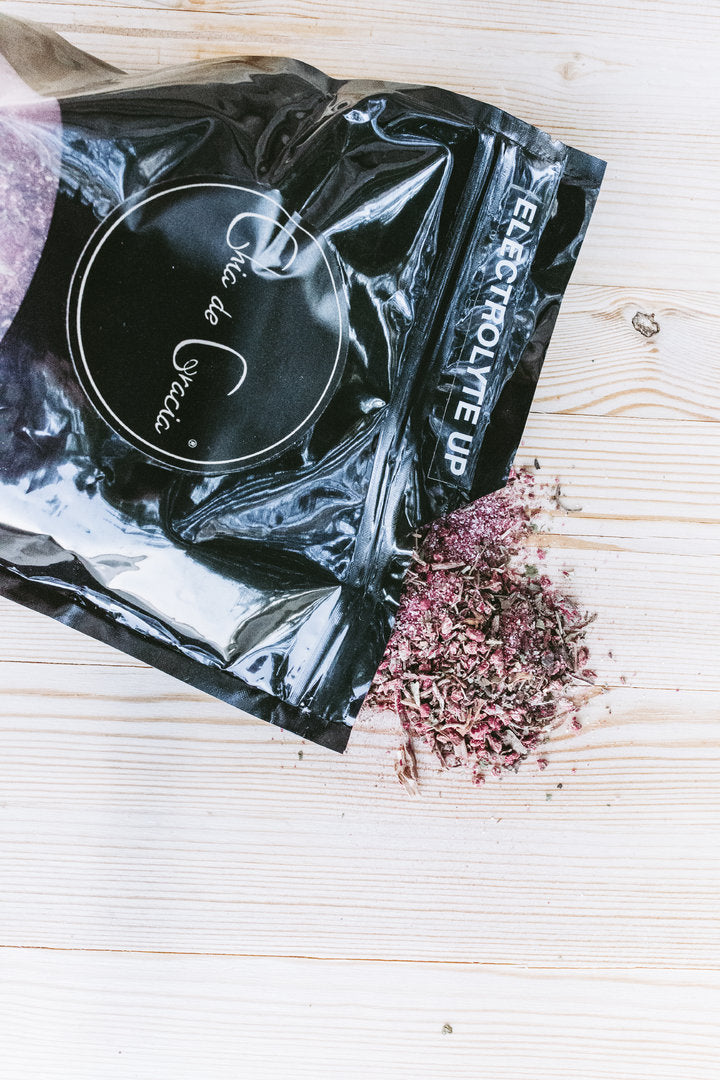
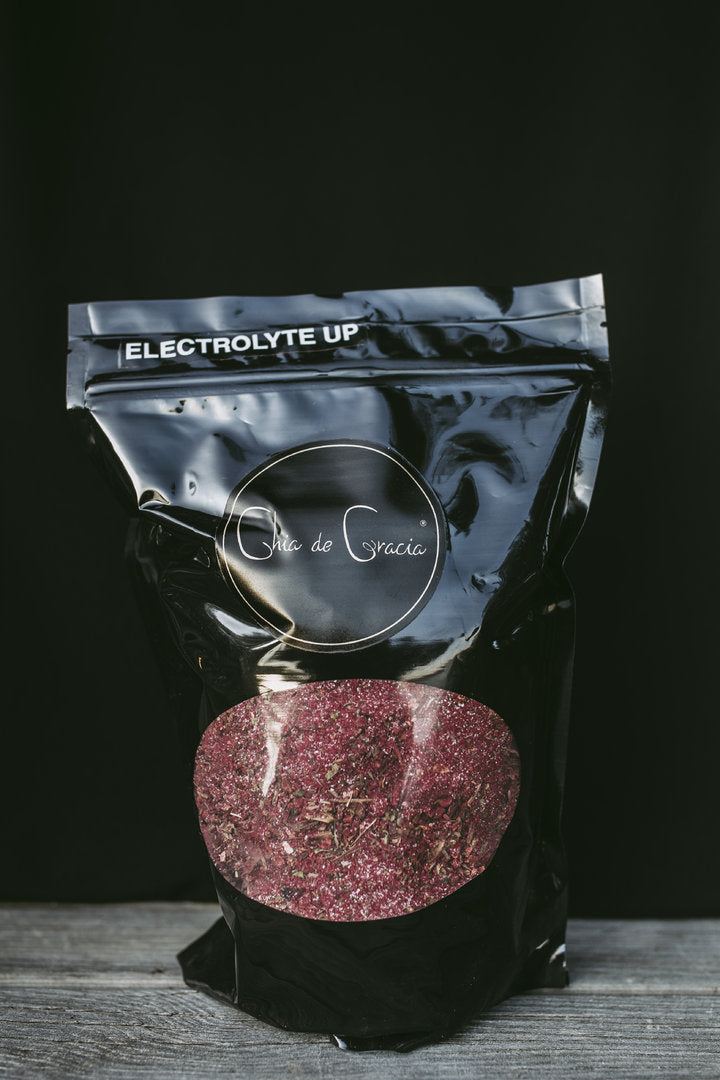
Electrolyte Up 1 kg
Delivery time 5-7 days
Couldn't load pickup availability
Sugar-free electrolyte for replenishing your horse's electrolytes after heavy sweating.
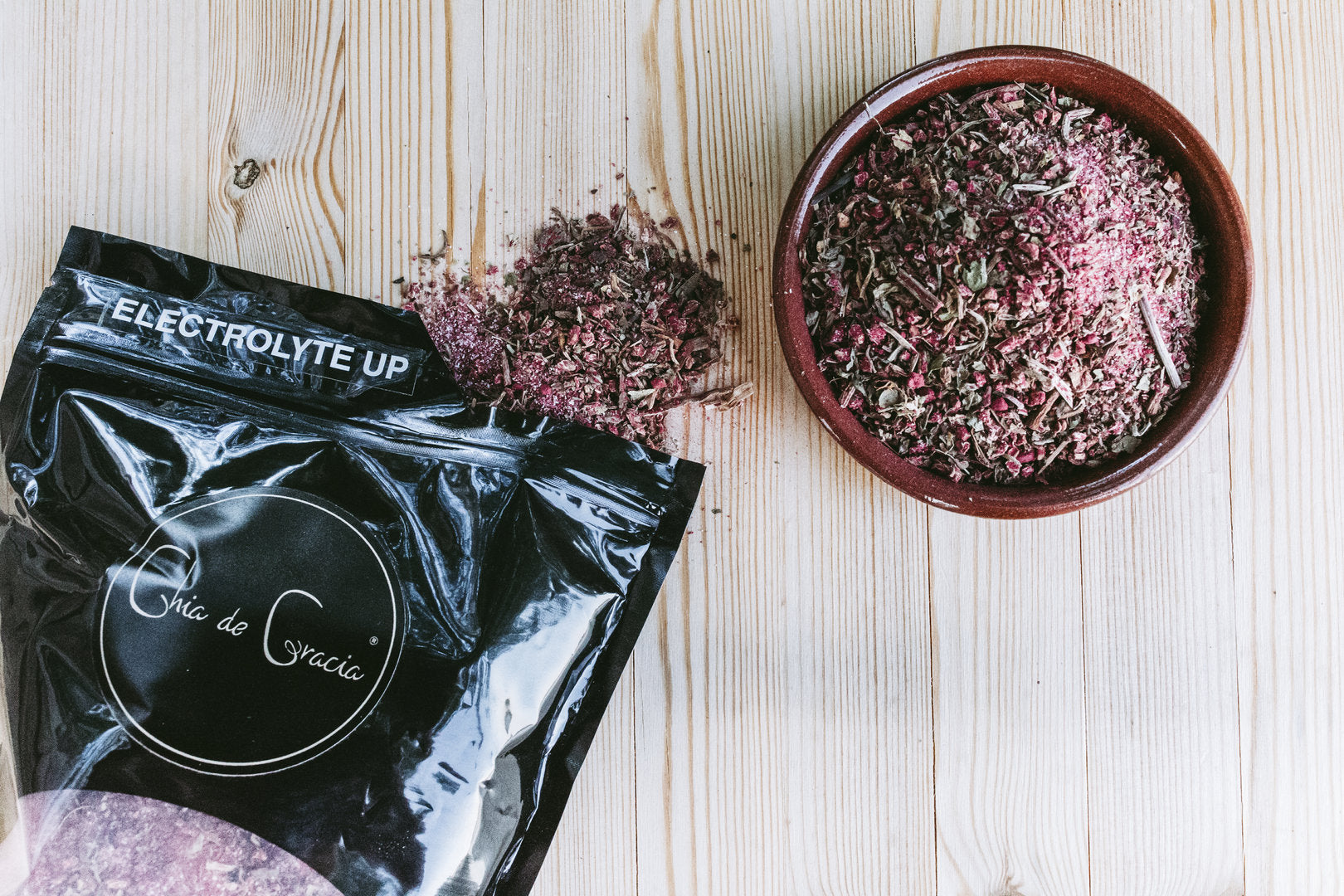
Electrolyte Up is a 100% natural, COMPLETELY SUGAR-FREE and palatable electrolyte supplement for replenishing the horse's electrolyte and fluid balance after strenuous exercise or sweating. Electrolyte Up contains sodium, potassium and chloride in a ratio that corresponds to the key electrolytes the horse loses through sweating.
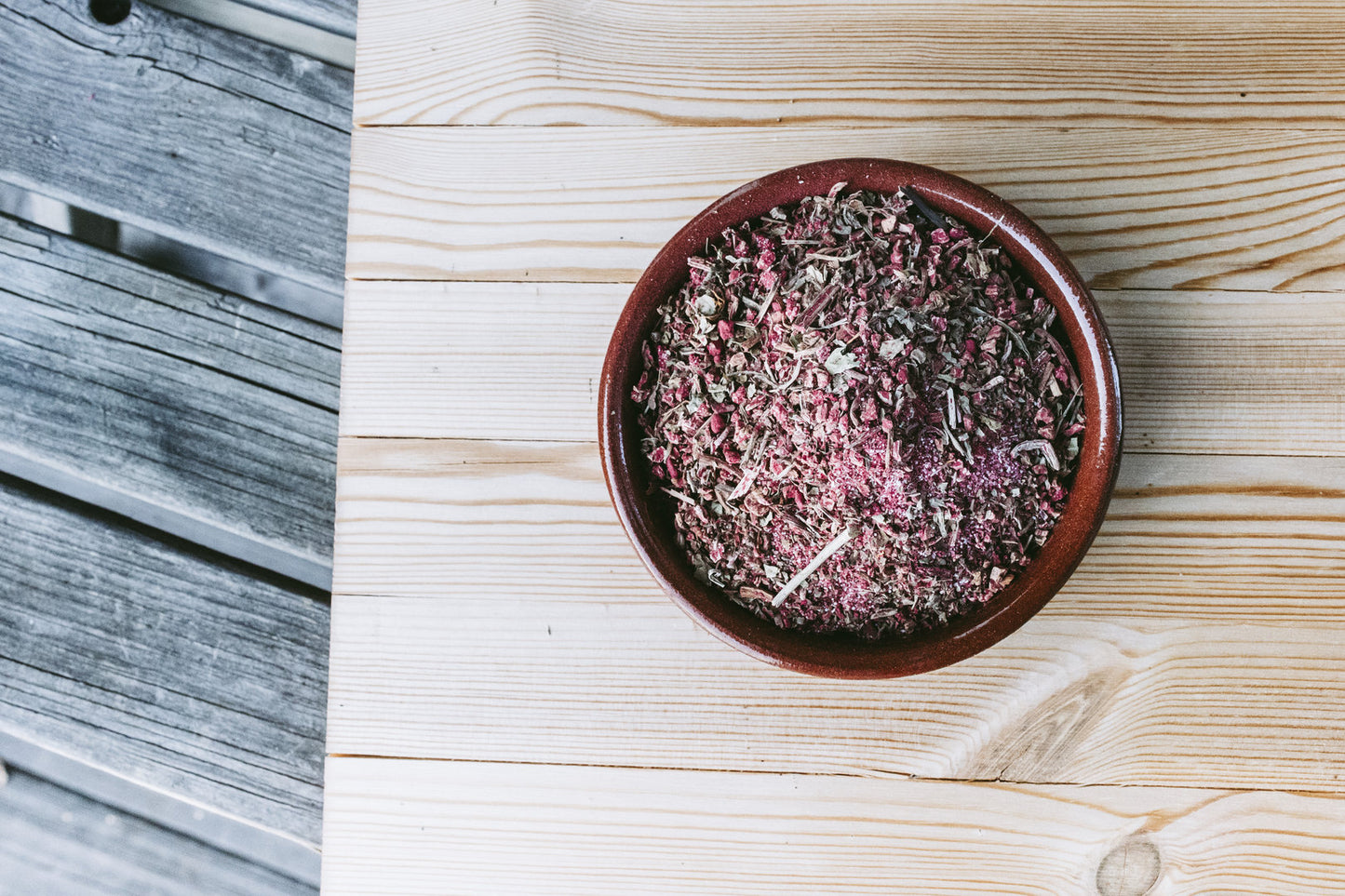
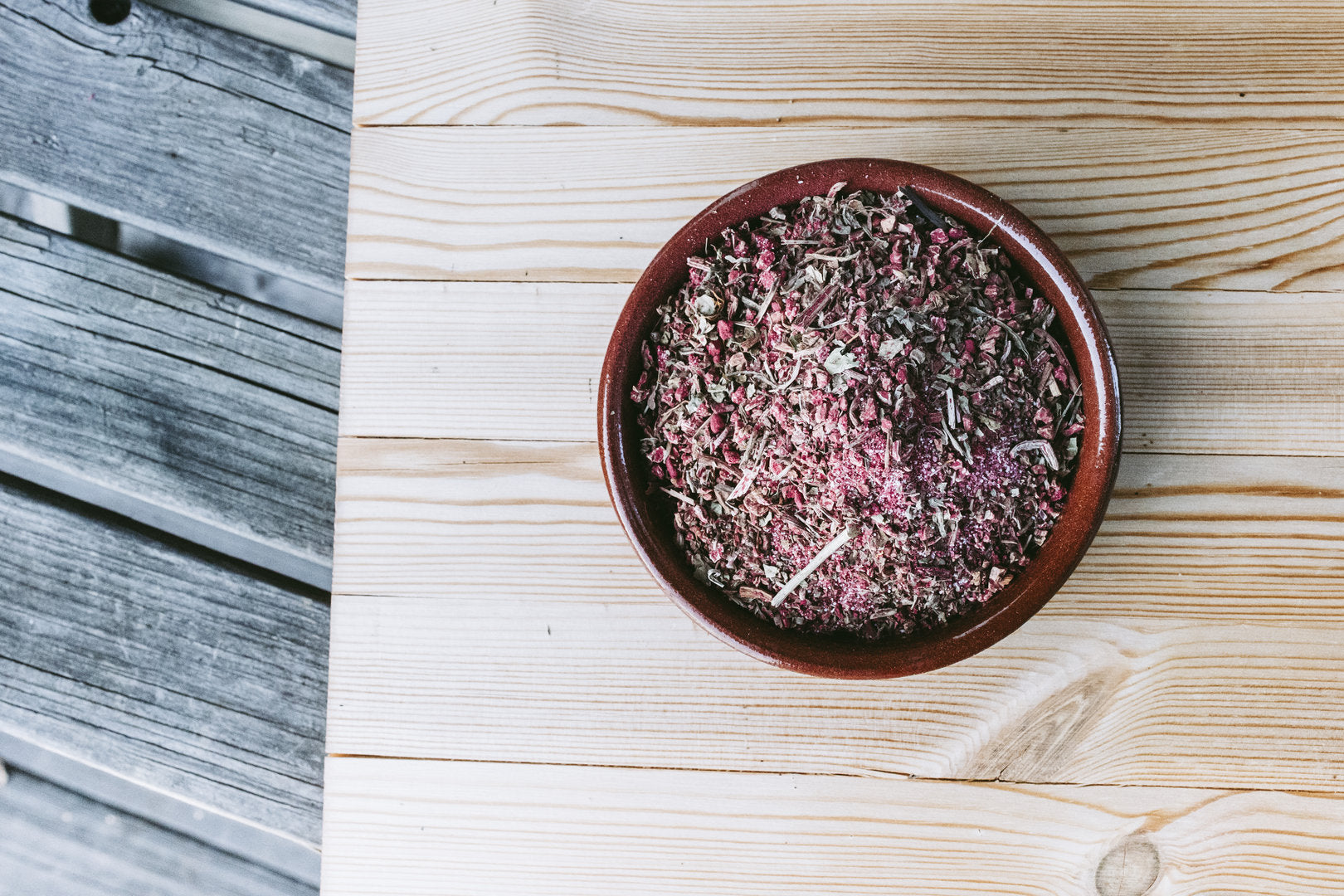
Electrolyte Up contains Himalayan salt, mineral salt, dandelion root, beetroot powder, dandelion leaf, and a pinch of love 🧡 .
- During heavy muscular work, the horse's body temperature rises, as the majority of the energy released during muscular work is released as heat. Many horses also experience a rise in body temperature during transport. The horse primarily dissipates excess heat by sweating.
- During physical exertion, a horse can sweat as much as 10 – 15 litres per hour. When sweating, the horse loses salts and minerals, i.e. electrolytes (sodium, potassium, magnesium, calcium).
- A horse sweating during heavy work can lose up to 100 g of salt from its body in one hour. Low electrolyte levels reduce the volume of blood circulating in the veins, and the horse's performance declines.
- The horse needs salt to maintain its electrolyte balance despite heavy sweating. Providing additional salt mixed into the feed is also justified for horses in light work, as there are large individual differences in salt lick consumption.
- Sweating always consumes a large amount of water, and the horse quickly begins to suffer from fluid loss, followed by dehydration if drinking water is not available or the horse cannot be encouraged to drink. The horse's desire to drink diminishes, as the sensation of thirst often ceases quite quickly after exercise if water is not available. It is advisable to offer the horse a moderate amount of lukewarm water immediately after training.
The electrolytes the horse loses through sweating must be replenished in the horse's diet.
- High-quality Himalayan salt contains a diverse range of approximately 80 different minerals as well as sodium (97 g/100 g), but its mineral content alone is not sufficient to meet the needs of a heavily sweating horse.
- Mineral salts contain sodium (65 g / 100 g), but especially potassium (30 g / 100 g) and magnesium (12 g / 100 g), which are also important electrolytes.
- Beetroot contains a wide variety of healthful minerals: potassium, calcium, magnesium, sodium, copper, phosphorus, iron, and zinc. In addition, it is sweet, and most horses absolutely love beetroot!
- Dandelion root and leaves are an excellent way to replace lost electrolytes. They contain plenty of potassium (397 mg/100 g) and magnesium to help restore the body's electrolyte balance. Potassium is important for muscle contraction and relaxation, which helps prevent muscle cramps and weakness. In addition, potassium regulates the body's fluid and electrolyte balance, which is essential for cell function and the transmission of nervous system signals.
An isotonic saline solution that matches the salt concentration of the body's fluids, restores the horse's fluid loss and electrolyte depletion most quickly. An isotonic saline solution is made by mixing 3/4 dl of salt into 10 litres of water.
In humans, the sugar and amino acids in recovery drinks enhance sodium absorption, but in horses, excess sugar can actually slow the restoration of fluid balance. The purpose of electrolyte supplements is not only to replace the electrolytes the horse has lost, but also to encourage the horse to drink more.
Electrolyte Up is a complementary feed blend for restoring electrolyte balance following heavy sweating.
Contains sodium chloride, potassium chloride, magnesium, calcium, potassium, magnesium, iron, zinc, manganese, copper, phosphorus.
Dosage:
horse 500kg:
2 tbsp – 3/4 dl as needed.
1 dl = 90 g
1 tbsp = 14 g
50 g contains 9,9 g sodium and 17,2 g chloride, 2,8 g potassium. The horse's electrolyte requirement during sweating: sodium 10–12 g, chloride 20 g.
✅ Sugar-free
✅ Effective electrolyte balance support
✅ Suitable for sport and leisure horses
✅ Does not burden the metabolism
If the horse is expected to sweat heavily, Electrolyte Up can be given to the horse before, during, and after sweating.
Average nutritional values per 100g:
Crude protein 5,5%, crude fat 1%, crude fibre 19 %, ash 64%, moisture 6%, sodium 19%, chloride 34%, potassium 5,5%, magnesium 0,2%, calcium 0,3%.
Mineral and electrolyte content / 100 g
Sodium: 19,7 g, Chloride: 34,3 g, Potassium: 5,6 g, Magnesium: 0,10 g, Calcium: 0,3 g
The horse also loses electrolytes and fluids due to diarrhoea, and in these cases the lost electrolytes and fluid balance should be restored as effectively as possible.
*** Anti-doping screening (FCS/HSPS)
This product has been analysed using FCS/HSPS screening methods for selected contaminants and substances that are considered in international competition.
FCS screening specifically targets common feed raw materials and covers several known risk substances, such as caffeine, theobromine, morphine, scopolamine, theophylline, atropine, and hordenine.
HSPS screening is designed for plant- and herbal-based raw materials, where the variation of natural compounds is greater, and it extends the analysis to cover several other similar substances, such as reserpine, ephedrine, and capsaicin.
The screening is part of product quality management and transparency in situations where competition use requirements are also taken into account in feeding.
Certificates of analysis available upon request.
References
Lindinger M. (2022). Oral electrolyte and water supplementation in horses.
Flaminio M. et al. (1998). Fluid and electrolyte balance in endurance horses.
Rose R. et al. (1980). Plasma and sweat electrolyte concentrations in the horse.
McConaghy F. et al. (1995). Equine sweat composition.
National Research Council (2007). Nutrient Requirements of Horses.
Finnish Equine Information Centre
Share