

Chia de Gracia EN
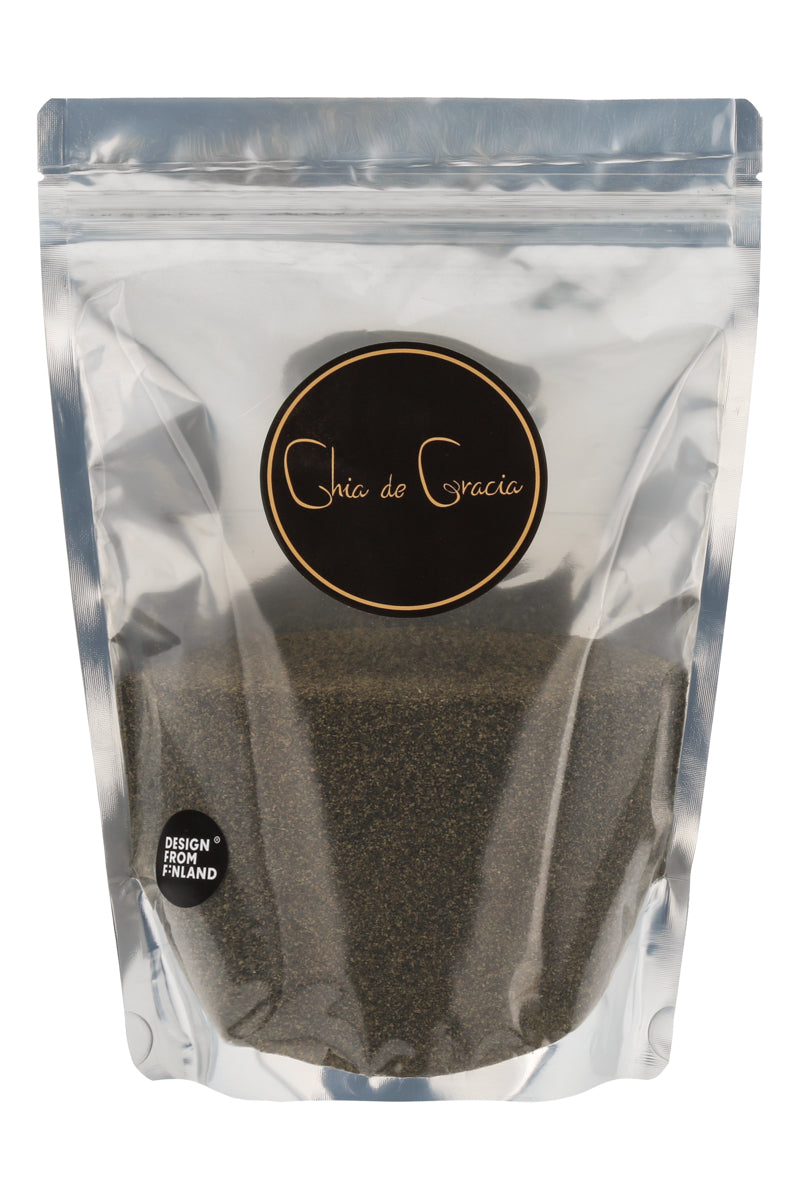
Kelp (Ascophyllum nodosum) 300 g for dogs
Delivery time 5-7 days
Couldn't load pickup availability
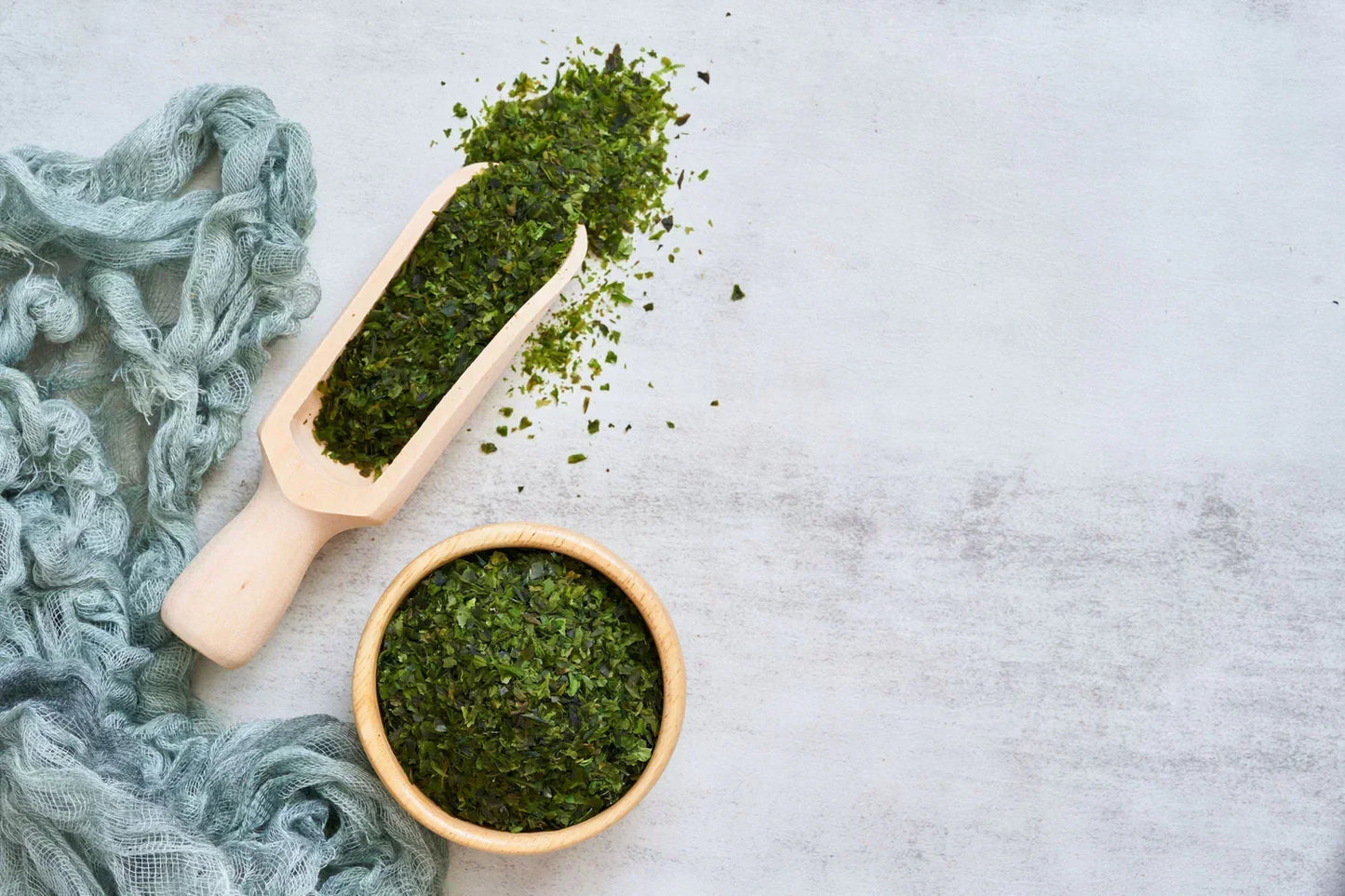
Seaweed (Ascophyllum nodosum) for dogs
Ascophyllum nodosum is a marine-origin nutritional supplement used in dog feeding due to its natural vitamin, mineral, and trace element content, as well as bioactive compounds typical of marine plants. Seaweed contains a wide range of nutrients and serves particularly as a complement to the mineral and trace element base of the diet.
Natural nutritional composition
Ascophyllum nodosum naturally contains several vitamins, minerals, and trace elements, as well as fibre and bioactive compounds typical of marine plants. Dozens of different minerals and trace elements have been identified in seaweed.
Seaweed contains particularly iodine and potassium, as well as minerals such as calcium, magnesium, phosphorus, iron, zinc, and manganese. It also contains amino acids, polyphenols, alginic acid fibre, and small amounts of unsaturated fatty acids.
Oral well-being and feeding context
Seaweed is often used in dog feeding in situations where bioactive compounds typical of marine plants are desired as part of the daily diet. In feeding, seaweed is associated with the mouth's normal cleansing mechanisms and is used as part of a diet that supports the dog's oral well-being.
Seaweed can be used as part of the daily diet for dogs whose diet consists of raw feeding, home-prepared food, or a simple basic diet.
Iodine and metabolism
Seaweed is a natural source of iodine. Iodine participates in the normal formation of thyroid hormones and regulation of metabolism in the body. Iodine is also associated with the normal function of the nervous system as well as the structure of the skin and coat.
The potassium contained in seaweed contributes to fluid balance and the normal function of the nervous system and muscles.
Seaweed fibre and bioactive compounds
Seaweed contains alginic acid, a gel-like dietary fibre typical of seaweeds. Alginic fibre is associated with nutrient processing in the digestive tract and fibre-based feeding.
The polyphenols and polysaccharides typical of marine plants are part of the natural nutrient profile of seaweed.
Dietary use context
Seaweed is used in dog feeding, for example, in situations where:
• you want to add a natural mineral and trace element source to the diet
• the nutrient base of a raw or home-prepared diet needs supplementing
• you want to add marine-origin nutrients to the diet
• the diet is being changed
• coat shedding is underway
• the dog is active or exercises regularly
• you want to add fibre-based nutrients to the diet
Natural nutrient profile
Seaweed naturally contains vitamins A, B-group, C, D, E, and K, as well as biotin, folic acid, and pantothenic acid. It also contains minerals such as potassium, calcium, sodium, magnesium, phosphorus, iron, zinc, manganese, and iodine.
Iodine content
Knotted wrack naturally contains approximately 600 µg/g (0,6 mg/g) of iodine. The iodine content in seaweed can vary naturally. The use of seaweed should be adjusted to the rest of the diet, taking the total iodine intake into account.
Dosage
Small dogs (~10 kg): 0,5–1 g / day
Medium-sized dogs (~20–30 kg): 1–1,5 g / day
Large dogs (~30–55 kg): 1,5–2 g / day
Very large dogs (>55 kg): 2–3 g / day
Start with a small dose and increase if necessary.
1 teaspoon ≈ 4 g
Iodine intake per dose (estimate)
Values are based on an iodine content of approximately 600 µg/g.
1 g → approx. 0,6 mg iodine
2 g → approx. 1,2 mg iodine
3 g → approx. 1,8 mg iodine
Analytical constituents
Crude protein 6–12 %, crude fat 1–3 %, crude fibre 5–12 %, ash 18–30 %, moisture 8–15 %.
Average nutritional values
Potassium 1,5–3,5 %, calcium 0,5–1,5 %, magnesium 0,3–0,8 %, sodium 1–4 %, phosphorus 0,1–0,3 %, chlorine 2–6 %.
Trace elements (mg/kg)
Iodine 300–800 mg, iron 150–600 mg, zinc 20–80 mg, manganese 5–50 mg, copper 2–15 mg, selenium 0,2–1 mg, boron 5–40 mg, strontium 100–500 mg.
Raw material origin and quality
Chia de Gracia seaweed is harvested from clean marine areas and analysed to verify nutrient content and heavy metals.
Country of origin: Ireland.
The nutrient content of seaweed may vary naturally depending on growing conditions and harvest time.
100 % Ascophyllum nodosum
Share