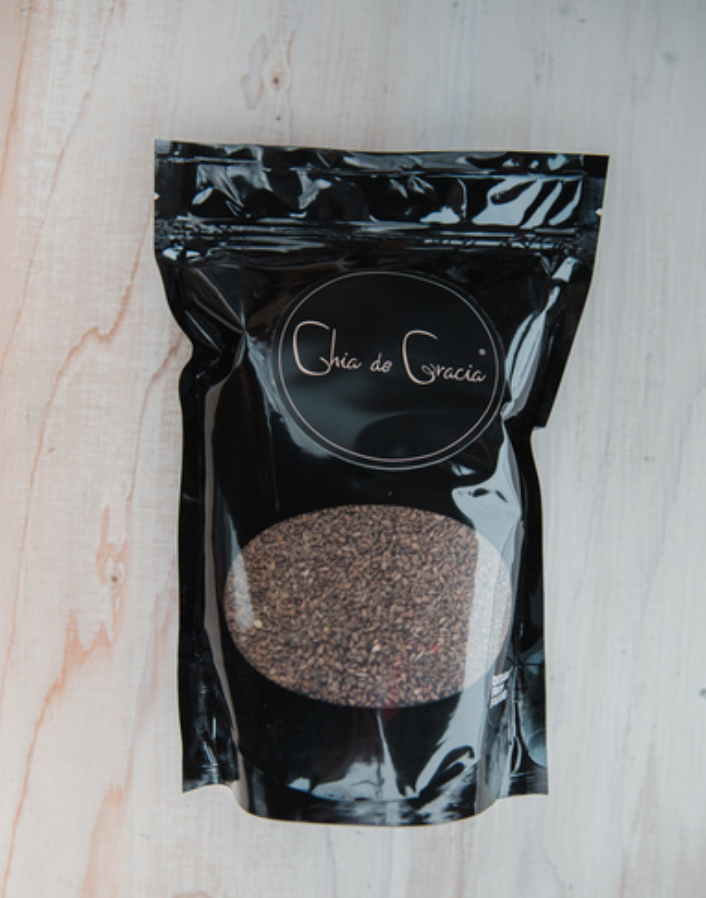

Chia de Gracia
Anise seeds 500g
Delivery time 5-7 days
Couldn't load pickup availability
Anise - An aromatic little seed for horse and dog feeding
Anise seeds (Pimpinella anisum) are a traditional plant-based raw material that has long been used in animal feeding, particularly due to their strong, sweet and liquorice-like aroma. The use of anise is based on the plant's natural composition, essential oils and a long history of use in feeding.
Why choose anise for the diet?
Anise seeds naturally contain approximately 5% essential oils, of which the most significant is anethole. These aromatic compounds are released especially during chewing and feed moistening, and primarily affect the scent and taste of the feed.
Anise seeds naturally contain aromatic essential oils, which have traditionally been utilised as part of the diet, particularly in connection with plants associated with digestion.
Aromatic plants have been used in feeding as part of an overall approach, and their use is based on the plant's properties, experience and traditional feeding practices.
Palatability and feeding behaviour
In equine studies, anise has emerged as one of the most preferred feed flavours. In studies, horses have shown clear interest in the scent of anise and have readily eaten anise-flavoured feed compared to many other flavours.
For this reason, anise is commonly used:
-
in the feeding of fussy or food-avoidant animals
-
to improve the palatability of feeds and supplements
-
as part of a plant-based and aromatic diet
Sensory and traditional use
Anise has traditionally also been used for the plant's fresh and opening scent. Aromatic plants have been part of the diet especially when the animal's environment or feeding is monotonous, dry or dusty, and a pleasant-smelling addition has been desired in the diet. This use is based on the plant's sensory properties and long experience.
Please note
-
Not recommended for pregnant animals due to the plant's natural oestrogenic activity
-
When competing, it is recommended to observe a 4-day withdrawal period
Dosage;
Horse (approx. 500 kg):
1 tbsp / day
1 tbsp ≈ 8 g
Natural composition of the raw material (indicative)
Moisture 9–12%, Crude protein approx. 18%, Crude fat 8–23%, Crude fibre approx. 12%, Sugar approx. 3,5%, Starch approx. 5%, Ash 6–10%. Naturally also contains choline (vitamin B4).
Background information and studies
Palatability and feeding behaviour
-
Parrott, R., Farci, V., Hastie, R. et al. (2019). Acceptance and preference of flavors in a high-fiber feedstuff for horses. Journal of Equine Veterinary Science, 76, 65.
-
Francis, J., Moreland, S., Perry, E. (2019). The influence of topically applied oil-based palatants on eating behavior in horses. Journal of Equine Veterinary Science, 76, 65.
-
Equine Science Society Symposium, Asheville, NC (2019). Flavor preference studies in horses.
Plant composition and traditional use
-
Aniseeds (Pimpinella anisum L.) in Health and Disease, Chapter 20.
-
Traditional Uses, Phytochemistry and Pharmacological Activities of Anisum (Pimpinella anisum L.): A Comprehensive Review.
-
Anise (Pimpinella anisum L.), a dominant spice and traditional medicinal herb for food and medicinal purposes.
Essential oils (composition and background information)
-
Pimpinella anisum L. Essential Oil: Chemical Composition and Biological Properties.
-
Fennel and Anise as Estrogenic Agents
Studies are used as background information for understanding the natural properties of the plant.
Share