
Chia de Gracia
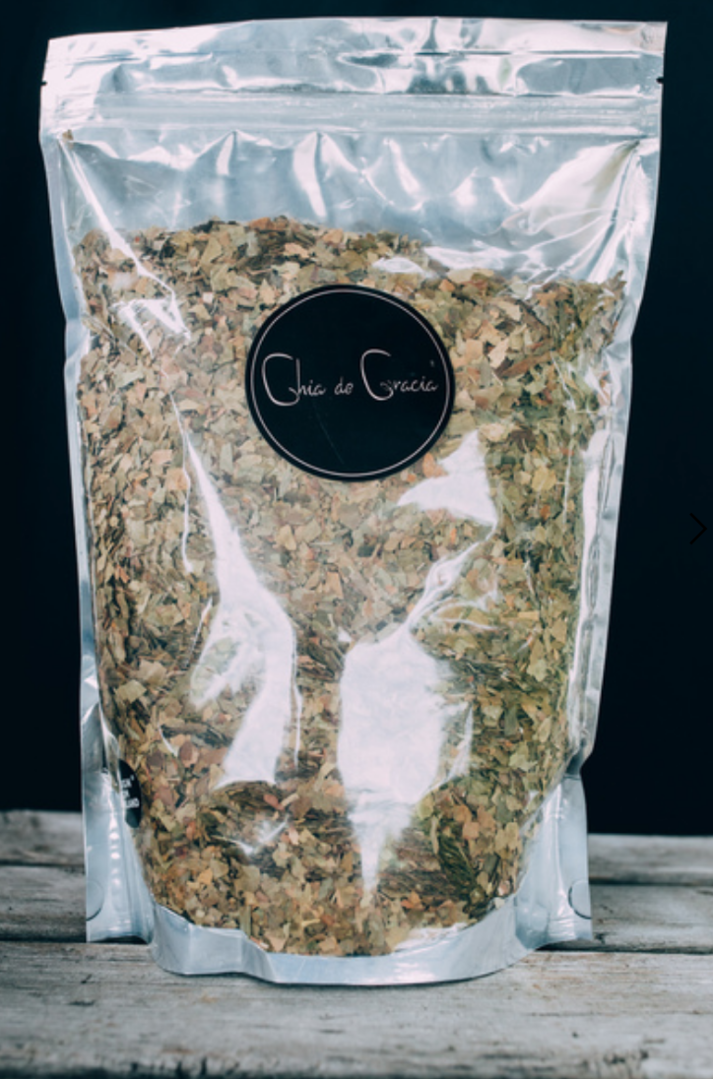
Gingko Biloba 500 g
Delivery time 5-7 days
Couldn't load pickup availability
Ginkgo biloba – maidenhair tree leaf for horses and dogs
Ginkgo biloba is not intended to cover daily basic nutritional needs, but rather to complement the diet in special cases where the basic diet is not the only factor to consider.
Ginkgo biloba, also known as the maidenhair tree, is one of the oldest known plant species in the world. The species has remained virtually unchanged for millions of years, and its leaves have been traditionally used in various cultures, particularly in Asia. Today, ginkgo is also used as a feed ingredient due to its exceptional phytochemical composition.
Chia de Gracia's ginkgo consists of dried maidenhair tree leaves. The leaves are unprocessed and contain no extracts or concentrated compounds – only the plant's natural composition as it is.
Natural composition – what makes ginkgo special?
Maidenhair tree leaves contain several compounds naturally found in plants, the most notable of which are:
-
flavonoids
-
terpene lactones, such as ginkgolides and bilobalides
-
other polyphenolic plant compounds
These compounds are secondary plant metabolites that are part of the plant's own structure and metabolism. Ginkgo stands out from many other plants precisely because of its diverse and distinctive compound composition.
Antioxidant compounds
The flavonoids and terpene compounds found in Ginkgo biloba leaves are antioxidant plant compounds. Antioxidant activity refers to a chemical property of the plant's compounds.
In feed use, ginkgo is primarily considered from the perspective of the plant's very special natural composition and traditional recognition as part of a balanced diet.
In what type of feeding is ginkgo used?
Ginkgo biloba is not a basic feed, but a complementary feed ingredient used in small amounts when utilising several different plant-based raw materials for specific, particular purposes. It is suitable for feeding regimes where there is a need to consider plant diversity and the special natural composition of individual plants and the effects of nutrients.
Dosage:
Horse (approx. 500 kg):
1–2 tbsp, 1–2 times per day
Dog:
approx. 1/4 tsp – 1 tsp per day depending on size
-
1 tbsp ≈ 2 g
Please note
Not suitable for pregnant or lactating mares or female dogs, nor for foals.
The use of natural products should always be considered as part of the overall diet.
Studies in dogs
Ginkgo biloba has been the subject of research particularly due to its phytochemical composition and traditional use.
1) The use of ginkgo extract in older dogs has been studied to some extent
In some open clinical studies, ginkgo leaf extract has been given to older dogs as part of a supplement, in which behavioural changes in aged dogs were investigated. In this data, for example, 42 older dogs received ginkgo for a certain period, and the researchers reported changes in certain behaviour-related scores.
Landsberg, G. M., et al. (2005). A clinical trial of a nutritional supplement for the management of cognitive dysfunction in senior dogs.
Journal of Veterinary Internal Medicine, 19(3), 371–379.
2) Compound formulations and combination products have been the subject of research
In several publications, ginkgo biloba has been included in multi-component nutritional supplement products together with other substances, such as phosphatidylserine, vitamin E and antioxidants. These studies have examined cognitive and behavioural parameters in dogs. The results cannot be attributed solely to ginkgo, and no studies have been conducted on ginkgo as a single feed ingredient.
Milgram, N. W., et al. (2007). A nutritional supplement improves cognitive function in aged dogs.
Journal of Veterinary Behavior, 2(2), 40–51.
3) Recent research has also been published from an animal study combining natural and herbal extracts
In a more recent veterinary study, Ginkgo biloba extract has been studied in dogs together with other plant extracts (including nettle). The study measured laboratory parameters related to metabolism and liver values. The study did not examine ginkgo as a single raw material and does not support efficacy claims, but demonstrates that the topic remains under investigation in animal settings.
Rossi, G., et al. (2023). Effects of a polyherbal supplement on metabolic and hepatic parameters in dogs.
Veterinary Sciences, 10(8), 763.
Share