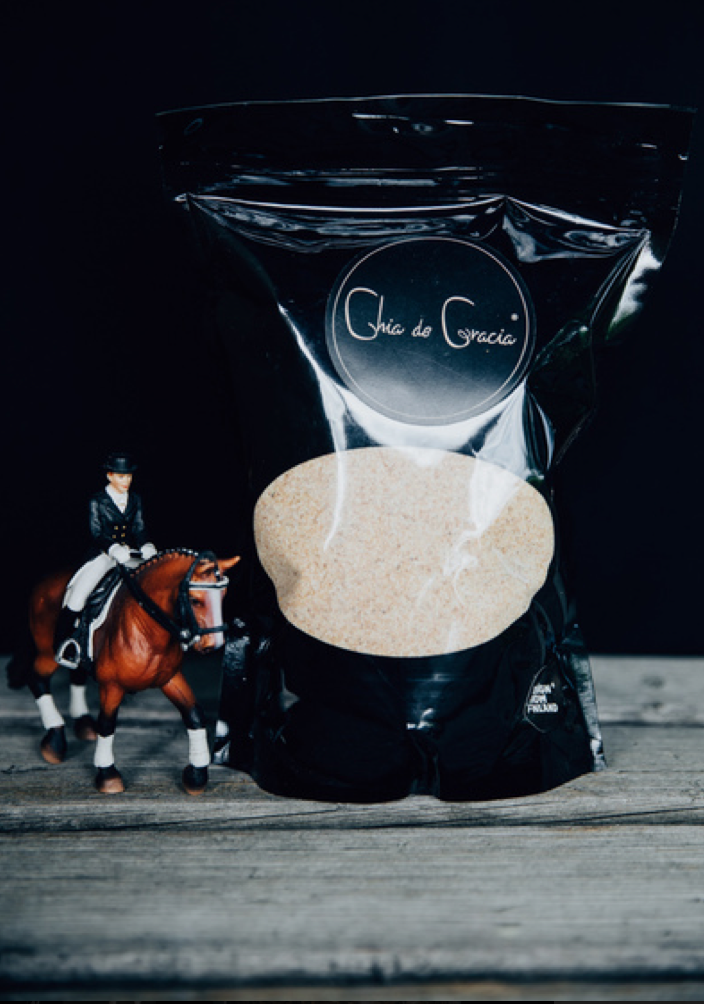

Chia de Gracia
Garlic granules 500 g
Delivery time 5-7 days
Couldn't load pickup availability
Garlic (Allium sativum) – a source of sulphur-containing compounds and antioxidants as part of the natural diet of horses and dogs
Garlic is a traditionally used culinary and medicinal plant whose use in animal feeding is based on its diverse nutrient composition and the plant's own sulphur compounds. Dried garlic is suitable for use as a course as part of a varied natural diet for horses and dogs.
Garlic naturally contains several vitamins and minerals that complement the overall nutritional profile of the diet. Its nutrients include vitamin A, B6, C and E, as well as minerals such as potassium, calcium, magnesium, phosphorus, iron, copper, selenium and sulphur. The intake of these nutrients is associated with the body's normal metabolic processes and overall nutritional balance.
Garlic is often used in feeding on a seasonal basis, particularly during the indoor feeding period, when the stable environment, dustiness and air quality are of particular importance. The plant's strong aromas and natural sulphur compounds make it a typical choice for herbal periods when variety is desired in the diet.
A distinctive feature of garlic is its abundance of sulphur compounds, which include alliin, from which allicin is formed during processing. Sulphur compounds are the plant's own bioactive compounds. They occur together with vitamins and minerals, forming an antioxidant nutritional profile as part of the daily diet.
Dried, coarsely crushed garlic releases sulphur compounds moderately and evenly, making it a controlled raw material well suited for use as a course in feeding. Garlic is also used seasonally in feeding as part of an approach that takes into account the effect on the animal's environment of the plant's compounds excreted through the skin and respiration.
Research background (horse)
Research conducted on horses has examined the use of dried garlic as part of the diet. The study observed changes in respiratory secretions and tracheal cell composition in horses receiving garlic compared to the control group.
Dosage:
Horses (approx. 500 kg):
approximately 5–10 g per day (0,5–1 tbsp) as part of the diet.
In the short term, the dose may be increased if needed, but prolonged high dosage is not recommended.
Dogs:
approximately 1/3–1 tsp per day as part of the diet.
Measurement info:
1 tbsp ≈ 10 g
Things to note regarding use
Prolonged continuous use is not recommended. Garlic is best suited for use as a course as part of a balanced diet.
Nutrients:
Dried garlic naturally contains (approximately per 100 g) potassium ~ 1100–1300 mg, phosphorus ~ 350–450 mg, calcium ~ 60–90 mg, magnesium ~ 70–90 mg, iron ~ 5–7 mg, zinc ~ 2–4 mg, copper ~ 0,5–0,8 mg, manganese ~ 0,8–1,2 mg, selenium ~ 20–30 µg, vitamin B6 ~ 1,5–1,8 mg, thiamine (B1) ~ 0,3–0,4 mg, and vitamin C ~ 1–5 mg.
Natural variation in content typical of natural products is possible depending on the origin of the raw material, harvest, drying method and processing.
Composition
Dried garlic (Allium sativum), coarsely crushed
Further information and research background (horse)
The following research references discuss the compounds contained in the plant and their research history. The studies do not concern this product as such, and no feeding-related efficacy claims are made based on them.
The use of garlic as part of horse feeding has been examined in scientific research (Garlic (Allium sativum) Supplementation Improves Respiratory Health but Has Increased Risk of Lower Hematologic Values in Horses, Saastamoinen, Särkijärvi & Hyyppä). The study evaluated the effects of long-term use of dried garlic on horses.
The study observed changes in respiratory secretions and tracheal cell composition in horses receiving garlic compared to the control group. The same study found that prolonged and excessive use of garlic may affect haematological values in horses.
The results of the study should not be generalised to the feeding of individual animals nor used as a basis for therapeutic claims. The study highlights the importance of moderate and time-limited use of garlic as part of horse feeding.
Share