
Chia de Gracia
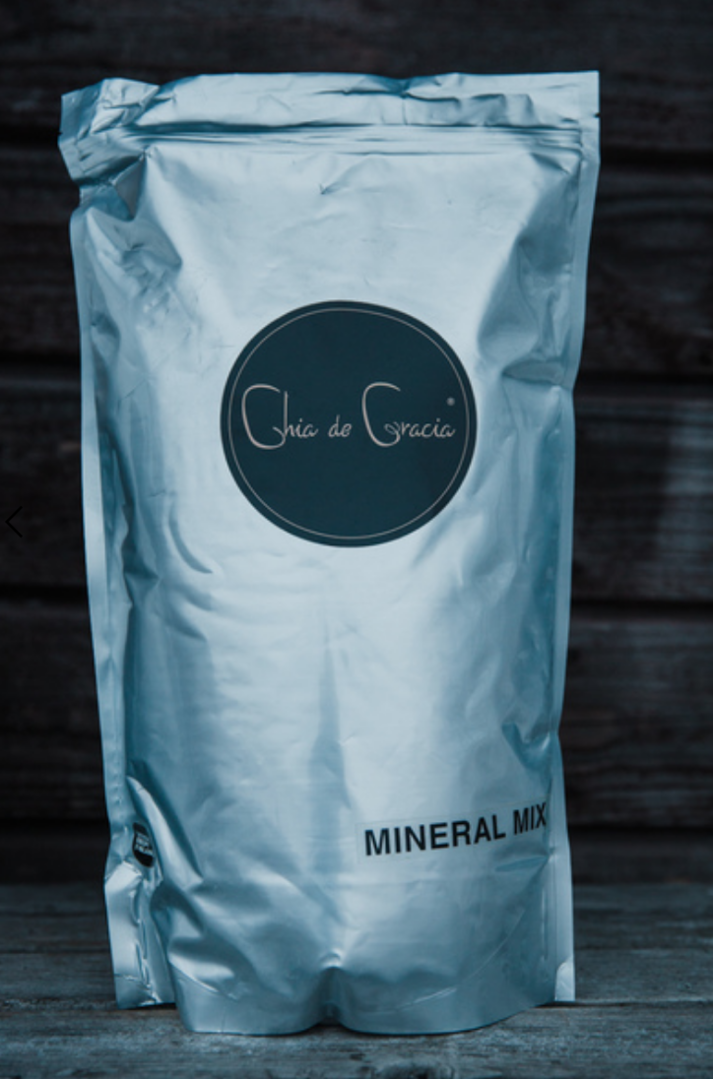
MineralMix 2,1 kg
Delivery time 5-7 days
Couldn't load pickup availability
MineralMix – herbal blend for equine mineral and trace element nutrition
MineralMix is a 100% natural herbal blend for comprehensive mineral and trace element supplementation for horses. It combines nutrient-rich plants that provide minerals and trace elements to the horse's diet as part of a balanced diet.
MineralMix contains nettle, beetroot, alfalfa, dandelion leaf, carrot, rosehip, Icelandic moss, seaweed, Himalayan salt, brewer's yeast, and a pinch of love 🧡.
In MineralMix, the minerals and trace elements are in exactly the form that a horse would encounter them naturally from plants in nature.
In nature, horses obtain minerals from many plants
When grazing in nature, a horse eats many different plants throughout the day, such as grasses, herbs, and other vegetation. Different plants naturally contain various minerals, trace elements, and vitamins.
When a horse eats a diverse range of plants, its diet naturally accumulates a wide variety of nutrients. The mineral and trace element content of plants varies depending on the plant species, soil, and growing conditions.
MineralMix is composed of plants that naturally provide minerals, trace elements, and nutrients typically found in plants, as part of a balanced diet.
Plants as natural sources of nutrients
Plants naturally contain various minerals, trace elements, and vitamins. MineralMix combines several well-known nutrient-rich plants that bring plant-based diversity to the diet.
Nettle
Nettle leaves naturally contain minerals such as calcium, magnesium, potassium, and iron. In addition, nettle contains compounds naturally found in plants, such as flavonoids and chlorophyll.
Alfalfa
Alfalfa is a traditional forage plant that contains protein as well as many nutrients and vitamins typically found in plants.
Dandelion leaf
Dandelion leaves naturally contain plant fibre as well as minerals such as potassium, calcium, magnesium, and iron. In addition, dandelion naturally contains vitamins such as vitamin A, vitamin C, and B-group vitamins, as well as compounds naturally found in plants.
Beetroot and carrot
Root vegetables bring natural flavour and nutrients typically found in plants to the blend. Carrot is particularly known for its carotenoids, which are natural plant pigments and precursors of vitamin A. Beetroot also naturally contains minerals such as potassium, magnesium, and iron, as well as vitamins.
Rosehip
Rosehip naturally contains vitamins, especially vitamin C, as well as carotenoids and polyphenols. In addition, rosehip naturally contains minerals such as potassium, magnesium, and calcium.
Icelandic moss
Icelandic moss naturally contains minerals and trace elements, as well as compounds typical of lichens.
Seaweed and nettle – a mineral-rich combination
A key component of MineralMix is the combination of seaweed and nettle.
Seaweeds are known as plants that naturally contain a rich mineral and trace element composition. Seaweeds naturally contain many minerals and trace elements, such as iodine, calcium, magnesium, and potassium.
Together with nettle, seaweed brings a plant-based mineral and trace element complex to the blend.
Plant-based minerals as part of the overall diet
Plants absorb minerals from the soil and bind them into their own structure. This is why different plants naturally contain varying amounts of minerals and trace elements.
When several different plant-based raw materials are used in feeding, the diet naturally includes a diverse range of plant-derived nutrients.
MineralMix combines several nutrient-rich plants in one blend. Together, they provide plant-based minerals, trace elements, and nutrients typically found in plants, as part of a balanced diet.
Other raw materials
Brewer's yeast
Brewer's yeast naturally contains plant protein, chromium, and B-group vitamins.
Himalayan salt
A natural mineral salt that contains sodium as well as small amounts of other minerals.
Dosage
Horse approx. 500 kg
1–4 dl per day
Mix into the regular feed. Can be moistened if needed.
1 dl ≈ 25 g
At a dosage of one decilitre, the package lasts approximately 80 days.
Average mineral content / 100 g
Potassium 1700 mg, Calcium 1100 mg, Magnesium 300 mg, Iron 38 mg, Manganese 4,5 mg, Zinc 2,8 mg, Sodium 1,8 g, Chromium 0,8 mg, Copper 0,6 mg, Cobalt 0,5 mg, Selenium 0,9 mg, Iodine 10 mg
Average nutritional values
Crude protein 13 %, Crude fat 3 %, Crude fibre 20 %, Ash 20 %, Moisture 10 %
Further information and studies
The mineral and trace element content of plant-based feed raw materials has been examined in numerous nutritional studies. The nutrient composition of plants varies depending on the plant species, growing conditions, and time of harvest.
Equine mineral intake is addressed in several feeding studies that examine the horse's nutrient requirements as well as the mineral content of feeds.
References
National Research Council (2007)
Nutrient Requirements of Horses
Harris P., Ellis A. et al. (2017)
Equine nutrition and feeding management review
Julliand V., Grimm P. (2017)
The impact of diet on the hindgut microbiome and digestive health of the horse
Share