
Chia de Gracia
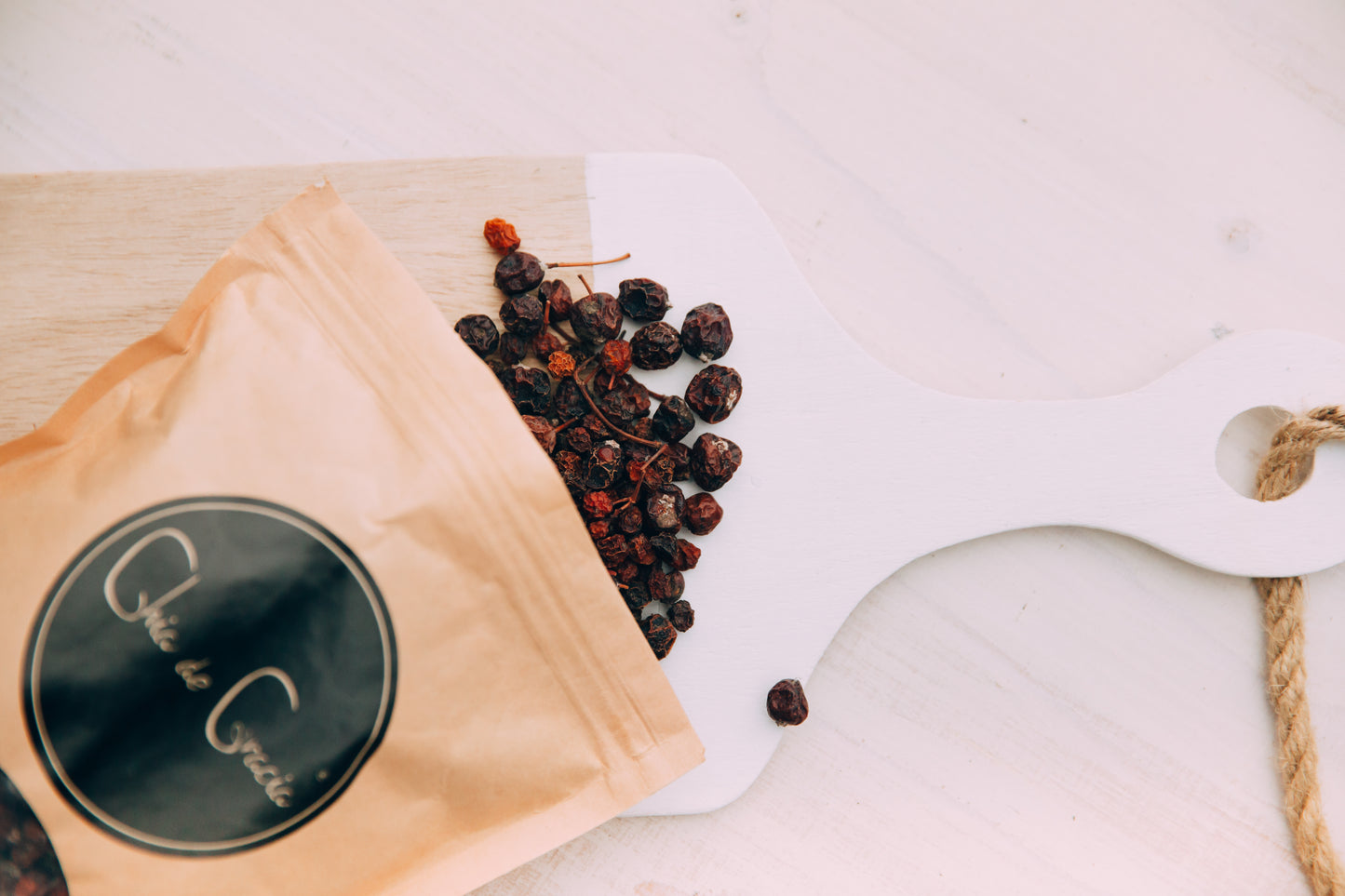
Rowan Berries 350 g
Delivery time 5-7 days
Couldn't load pickup availability
Rowan berry – a natural source of vitamins and carotene as part of horses' diet
Rowan berries are nutritious berries that can be used as part of a balanced diet for horses. They naturally contain several vitamins and minerals as well as compounds naturally found in plants, which complement the overall nutritional profile of the diet.
The vitamin A and its precursor beta-carotene found in rowan berries are fat-soluble compounds that form part of the body's normal nutrient intake. Beta-carotene acts as a precursor to vitamin A and contributes to a varied vitamin intake through the diet.
Vitamin C as part of the diet
Rowan berry is naturally a vitamin C-rich berry. Vitamin C is a water-soluble vitamin that participates in the body's normal metabolic processes and forms part of the normal antioxidant system. Vitamin C is also part of the body's normal collagen formation, which is a key structural protein found in, among others, connective tissue.
Vitamin intake is part of a balanced diet especially when the diet is based on dried feed materials.
Other natural nutrients
The red-orange rowan berry also naturally contains, among others, vitamin E, flavonoids, calcium and magnesium. The polyphenolic compounds, vitamins and minerals found in plants together form a diverse nutritional profile as part of the daily diet.
Use as part of horses' and dogs' diet
Rowan berries are suitable for use as part of a horse's varied, vitamin-rich diet, especially on a seasonal basis. They complement the diet with a diverse range of vitamins and minerals, particularly when the proportion of fresh plant-based nutrition is low.
Dosage:
Horses (approx. 500 kg):
1 tbsp – 0,5 dl per day as part of the diet.
Larger dosages may affect stool consistency.
Nutrients (naturally occurring, approximate) – dried rowan berry
Dried rowan berry naturally contains (approximately per 100 g of dried berries) including beta-carotene ~ 8–15 mg, vitamin C ~ 10–40 mg, phosphorus ~ 150–250 mg, potassium ~ 1200–1800 mg, calcium ~ 150–250 mg, cobalt ~ 3–6 µg, chromium ~ 10–20 µg, copper ~ 300–500 µg, magnesium ~ 80–140 mg, manganese ~ 5–8 mg, nickel ~ 30–60 µg, silicon ~ 10–20 mg, iron ~ 3–6 mg, sulphur ~ 60–120 mg and zinc ~ 1–2 mg.
Natural variation in content typical of natural products is possible depending on the growing location, harvest, drying method and processing.
Source (background information)
Share