Collection: Sand ingestion – Sand removal
Help, my horse is eating sand!
There can be many reasons behind sand consumption. Some horses may suffer from deficiencies in certain nutrients. Others may eat sand out of boredom. Some may do so in an attempt to relieve discomfort, for example an unsettled stomach. The causes can vary greatly from horse to horse.
What can help?
The most important step is to prevent the horse from ingesting additional sand. There are several possible strategies, ranging from the use of a grazing muzzle to moving the horse into a paddock with a woodchip surface. Greedy horses may benefit from feeding hay from a hay rack or from another covered surface. This helps reduce the likelihood of them accidentally consuming soil along with their forage.
For some horses, even a transition to pasture may be sufficient. When grazing, the fecal mass is typically softer and more fluid, which allows intestinal contents to move more easily. In addition, the digestive tract of a grazing horse usually functions more efficiently.
If sand eating is linked to nutritional deficiencies, some owners have observed improvements after correcting mineral imbalances. In certain cases, products containing bentonite clay may help reduce cravings. Bentonite clay is a mineral-rich supplement that can also assist in stabilizing intestinal pH.
Sand accumulations in the horse’s digestive tract may be addressed with various products, such as psyllium husk powder, psyllium seeds, chia seeds, or chia meal. The effectiveness of different products varies between horses. Likewise, willingness to consume these supplements differs individually.
Some owners of horses prone to sand ingestion choose to administer preventive sand-clearing courses several times per year.

-
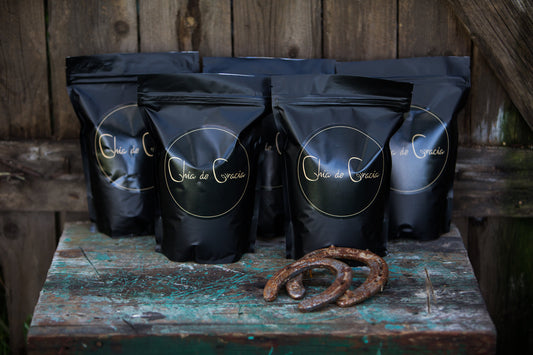
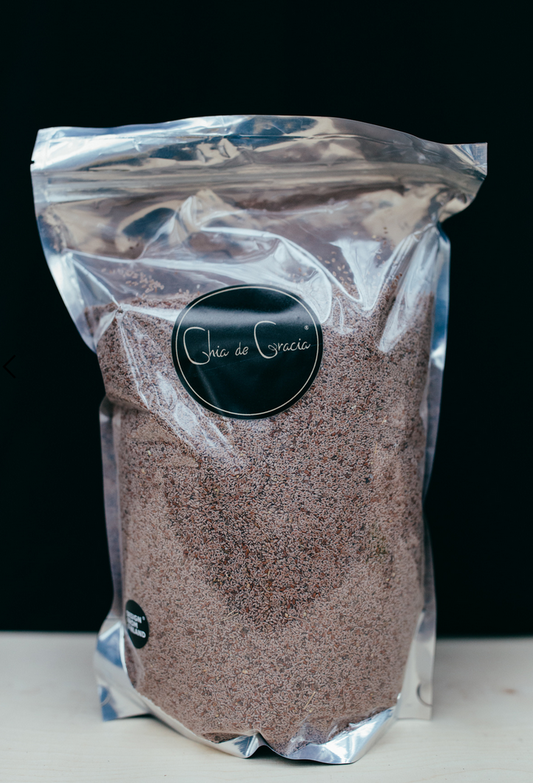
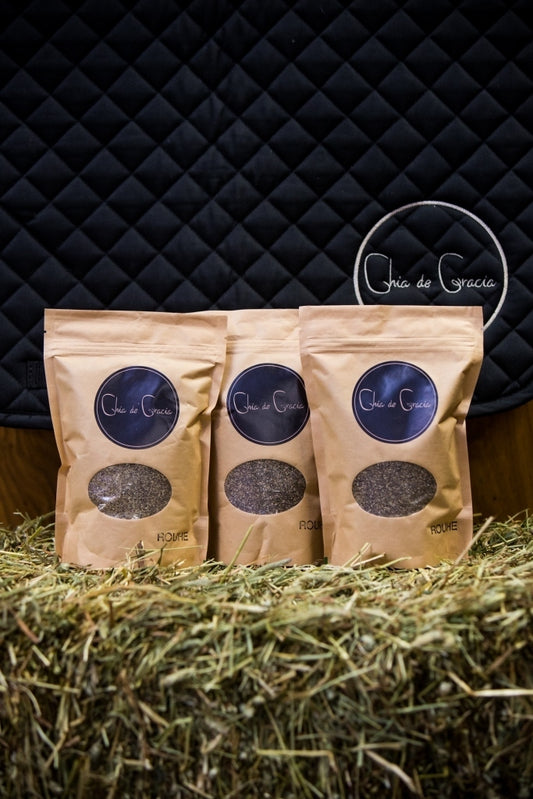
Chia Seeds
Vendor:Chia de GraciaRegular price From 5,90€Regular priceUnit price per -
Psyllium seeds
Vendor:Chia de GraciaRegular price From 33,90€Regular priceUnit price per -
Psyllium Husk Powder (BIO)
Vendor:Chia de GraciaRegular price From 59,90€Regular priceUnit price per -
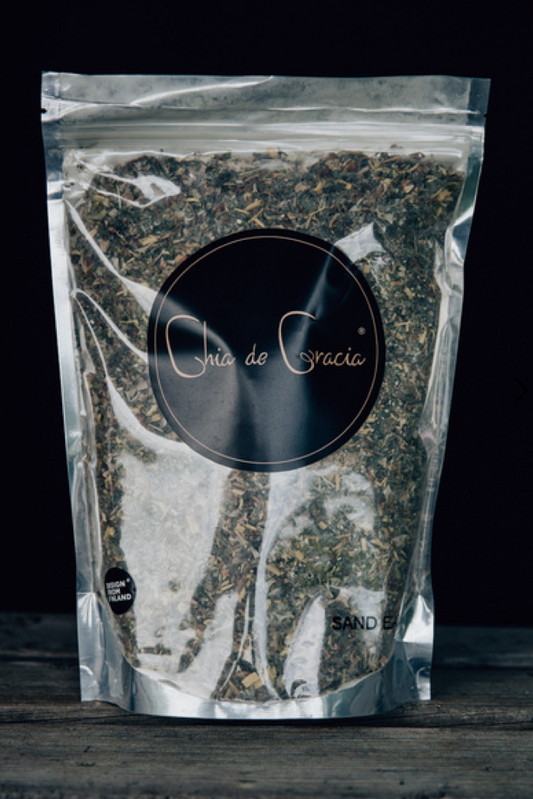
Sand Eater 1,1 kg
Vendor:Chia de GraciaRegular price 33,50€Regular priceUnit price per -
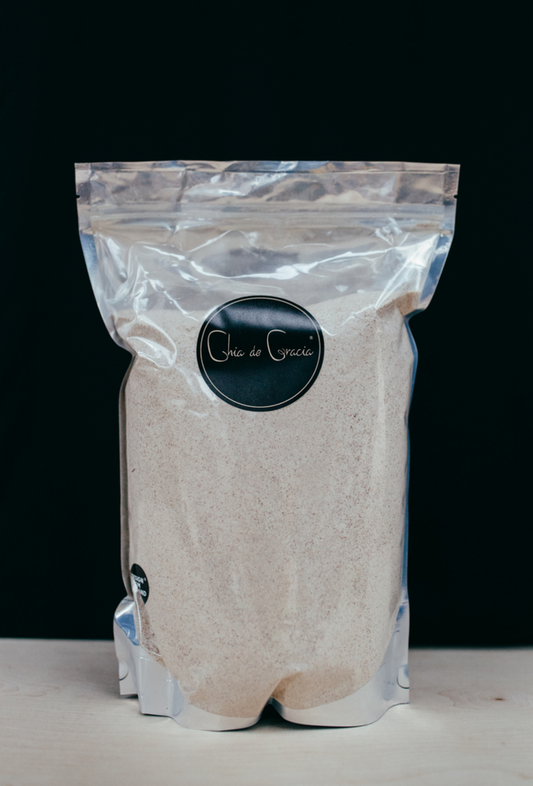
Milled Chia Seeds
Vendor:Chia de GraciaRegular price From 12,90€Regular priceUnit price per -
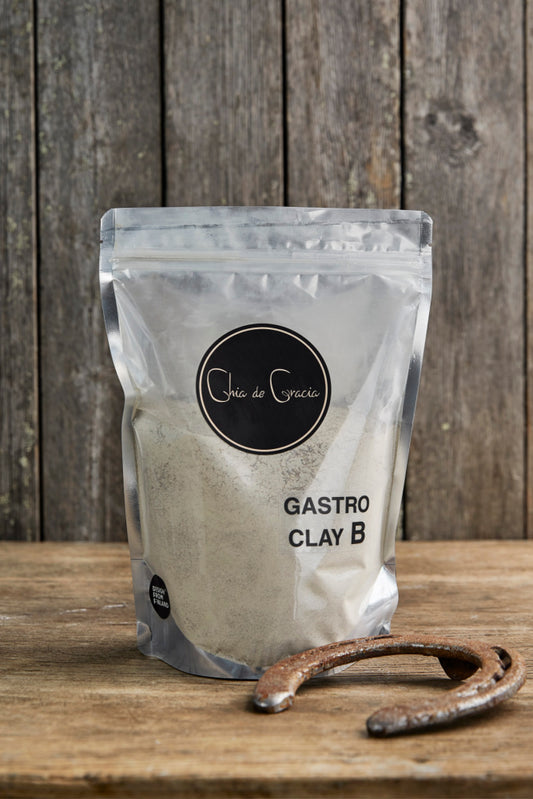
Gastro Clay B
Vendor:Chia de Gracia ENRegular price 27,90€Regular priceUnit price per -
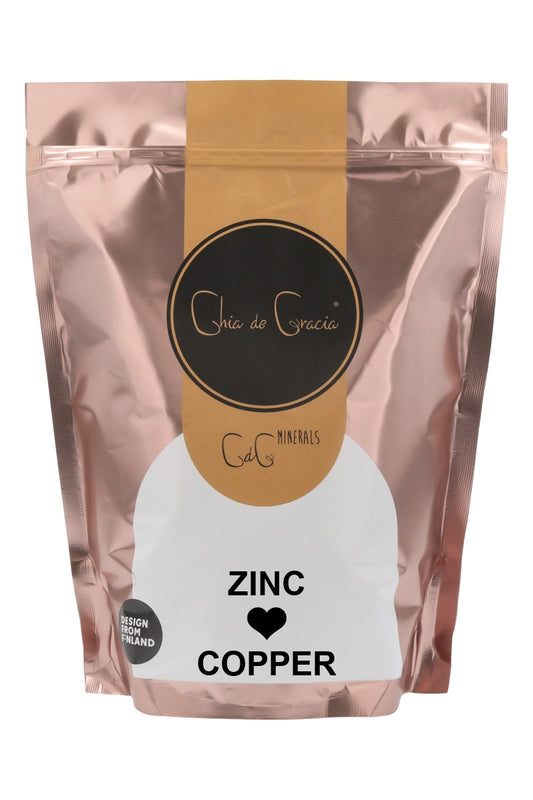
CdG ZINC & COPPER – zinc and copper for horses
Vendor:Chia de Gracia ENRegular price 31,90€Regular priceUnit price per -
CdG COPPER – Organic Copper for Horses
Vendor:Chia de Gracia ENRegular price 35,90€Regular priceUnit price per -
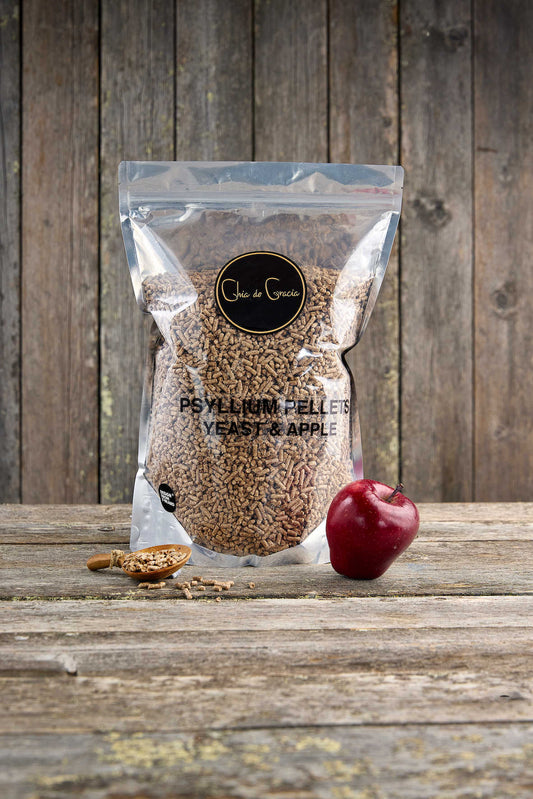
Psyllium Pellets Yeast & Apple 2 kg – for horses
Vendor:Chia de Gracia ENRegular price 65,90€Regular priceUnit price 32,95€ per kg -
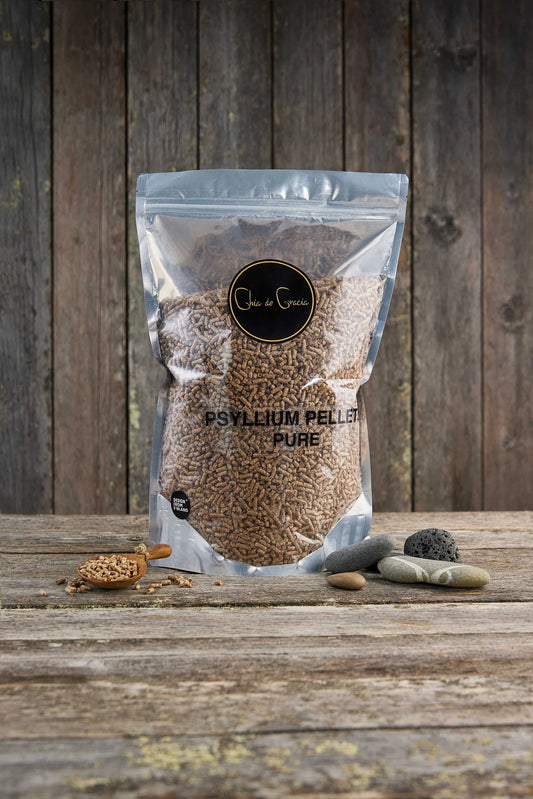
Psyllium Pellets Pure 2 kg – for horses
Vendor:Chia de Gracia ENRegular price 65,90€Regular priceUnit price 32,95€ per kg